
Construction project management software has revolutionized how teams plan, execute, and control complex builds. Yet, amid rising costs, evolving regulatory environments, and mounting project complexities, one constant drives successful outcomes: forecasting accuracy. In today’s dynamic construction landscape, being able to predict project trajectories with precision—using real-time construction project data, powerful analytics, and AI in construction—directly determines whether projects finish on time and within budget. Let’s explore why forecasting holds such strategic importance, and how platforms like Zepth Core are redefining success through data-rich, AI-powered project management.
Why Forecasting Accuracy Matters in Construction Project Management
Ask any seasoned construction manager, and they’ll tell you: the true test of a project’s planning lies not in the blueprints but in day-to-day realities. Forecasting bridges the gap between estimate and execution, helping teams anticipate challenges, allocate resources, and keep finances in check. Accurate forecasting means:
- Spotting cost overruns before they spiral
- Managing project risks proactively, not reactively
- Minimizing delays by adjusting schedules based on emerging data
- Ensuring cash flow aligns with scope changes and procurement requirements
Now, what kind of software is best for construction cost control and financial tracking? Modern construction cost control software and construction financial tracking software leverage real-time data, AI-powered project management, and cloud-based collaboration. Tools like Zepth Core offer comprehensive construction forecasting tools that connect financials, risk, and progress data in one common data environment for construction.
The Role of AI and Technology in Construction Forecasting
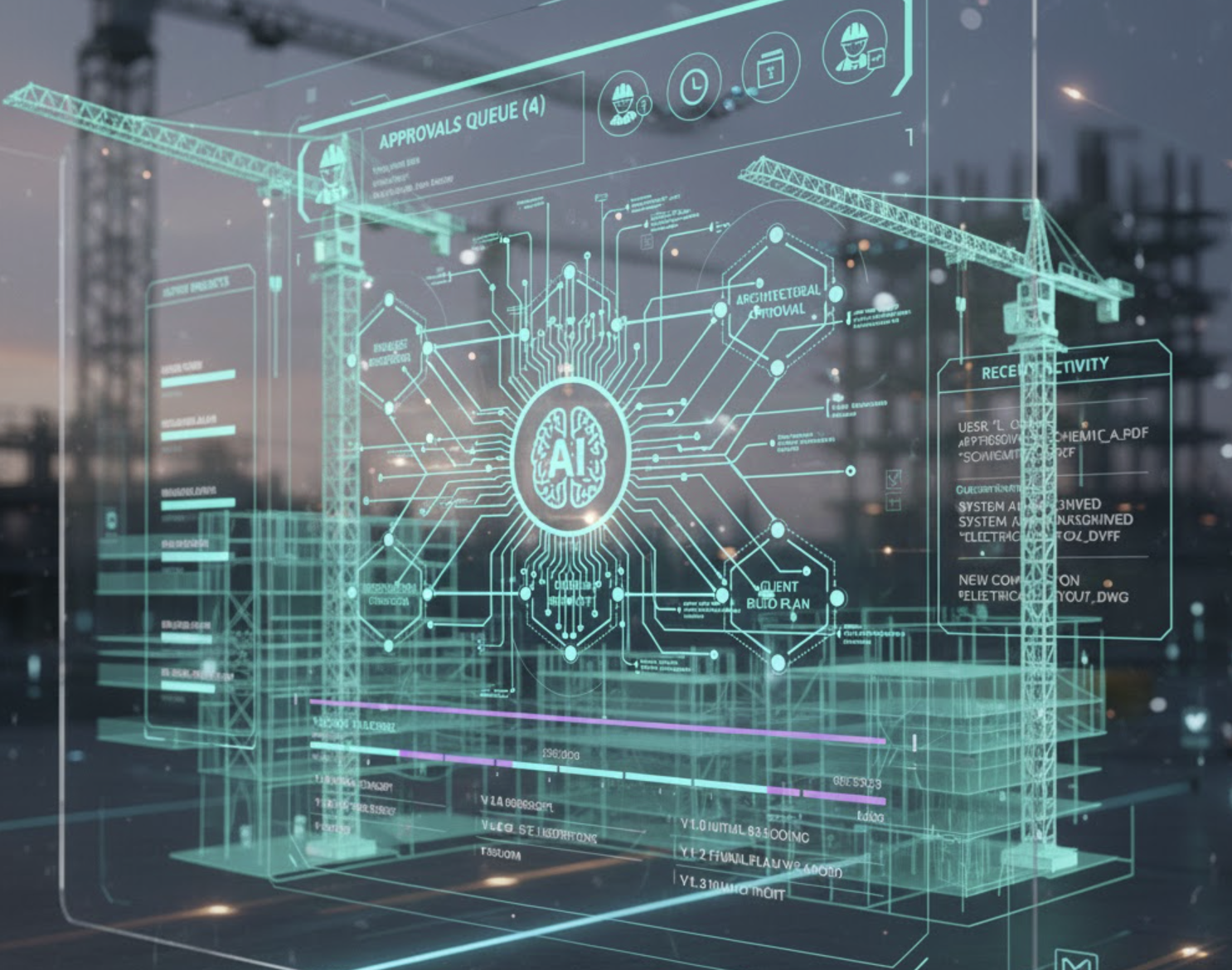
Forecasting accuracy was historically held back by siloed data, manual updates, and guesswork. Today’s AI in construction and advanced analytics platforms drive digital transformation in construction, integrating jobsite management tools, construction document management, and cost control in a unified system. Why is this shift significant?
Automated data capture from jobsite management modules (like site instructions, snag lists, inspections, and daily reports) feeds real-time insights into construction analytics tools. AI algorithms in platforms such as Zepth Core analyze these vast datasets to:
- Predict future resource demands and workforce needs based on current progress and historical trends
- Flag potential non-conformance issues or safety violations earlier, reducing costly rework
- Enable accurate forecasting of timelines, costs, and risks using machine learning-driven insights
With robust AI construction automation and smart construction management tools, forecasts become not just educated guesses but dynamic, data-driven projections. This technology ensures improved risk mitigation in construction, greater compliance accuracy, and better preparation for potential disruptions.
Connecting Forecasting with Risk and Financial Management
Why does precise forecasting improve construction risk management? The answer lies in integration. Construction projects thrive when risk registers, mitigation plans, and financial data are tightly linked. Zepth Core excels in this with its integrated modules for:
- Risk Register: Identifies, classifies, and tracks risk exposures, creating a rich dataset for AI risk management in construction.
- Mitigation Plans: Documents proactive actions, allowing forecasts to adjust when new mitigations are introduced.
- Risk Reporting: AI-powered reporting tools spotlight risk trends and emerging threats, keeping project leaders informed and ready.
- Project Cost Control: Comprehensive tools track real-time expenditures, commitments, and changes, ensuring the forecast remains relevant and actionable.
When a project manager asks, “How do you manage risk in construction projects effectively?”—the best answer is: align your risk and financial tracking with accurate, AI-driven forecasts. This synergy provides early warning for overruns, actionable insights for cost reduction, and strategies for sustaining project margins.
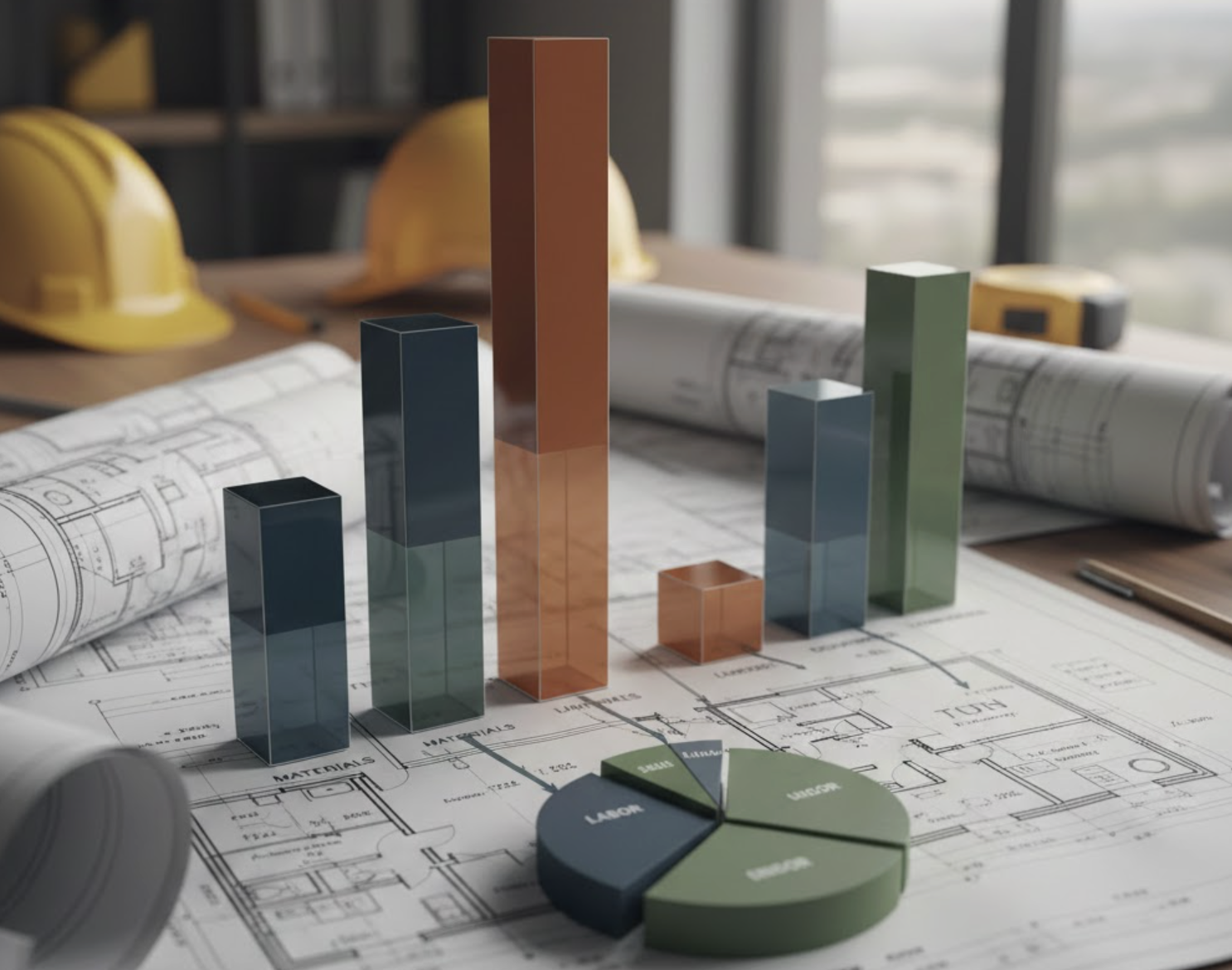
Common user question—How does forecasting help control construction costs? Forecasting identifies potential cost overruns early, enabling proactive measures such as resource adjustments, renegotiation with suppliers, or scope refinements. By leveraging construction forecasting tools and analytics, managers can track trends, predict cash flow needs, and ensure spending aligns with project goals.
Enhancing Collaboration and Documentation for Forecasting Success
Successful forecasts depend on clear, up-to-date information shared across all project stakeholders. With construction document management and a common data environment for construction as part of Zepth Core’s suite, teams overcome barriers of miscommunication and outdated data. Modules like Document Register, Submittals, and RFI Management enable:
- Centralized documentation of drawings, contracts, and technical specs, linked to current forecasts
- Streamlined review and approval workflows for materials and shop drawings
- Transparent tracking of authority approvals, changes, or delays that may impact the critical path
- Comprehensive meeting records and action tracking for clear assignment of responsibilities
Zepth Core’s construction submittal software, combined with construction analytics and insights modules, ensures information integrity and traceability. This supports accurate forecasting by offering real-time updates, version control, and integration with project scheduling tools.
Another frequent inquiry—What is the benefit of construction project tracking software? Such software aggregates progress data, financial updates, and compliance records in one platform. This visibility makes forecasts more reliable and empowers teams to react swiftly to changing site conditions or unexpected risks.
The Future of Forecasting: From Digital Twins to Predictive Analytics
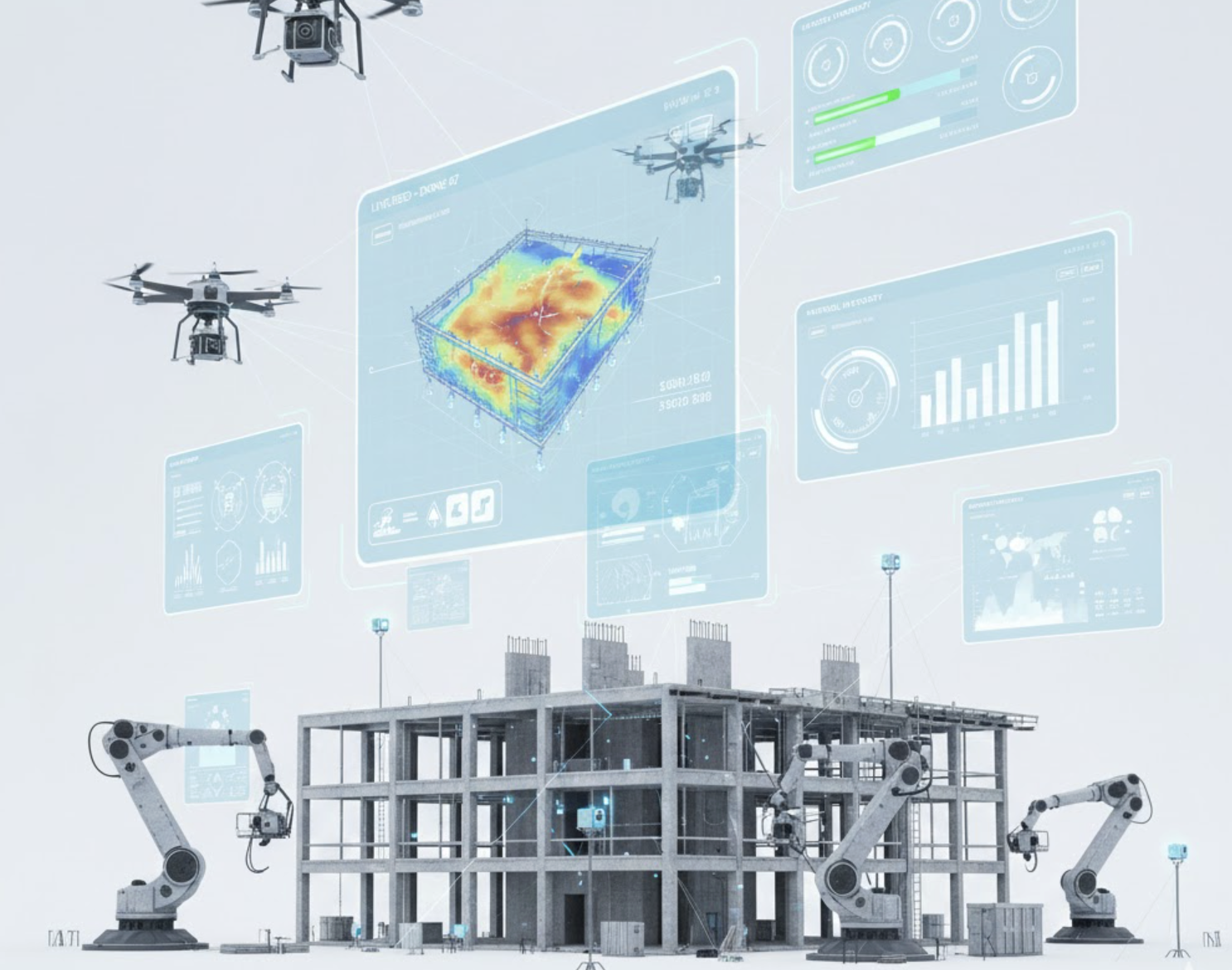
The next wave of construction tech innovation lies in predictive analytics, digital twins in construction, and AI-powered project management. By simulating multiple project scenarios, digital twins allow teams to visualize the impact of changes, outside disruptions, or alternate resource strategies—enhancing sustainable construction management and lifecycle planning. Seamless BIM (Building Information Modeling) integration in tools like Zepth360 further deepens forecast accuracy by linking 3D models, cost data, and site visuals. With all stakeholders accessing a unified source of truth, projects adapt quicker, minimize waste, and meet compliance each step of the way.
For construction executives asking, What is the future of AI tools for construction project management?, the answer is clear: AI will continue to elevate forecasting precision, automate compliance checks, and surface predictive insights from across the construction lifecycle. Cloud-based construction management platforms will sit at the core of this transformation, breaking down silos and driving smarter, safer, and more profitable project delivery.
Conclusion: Why Zepth Core Sets a New Standard for Forecasting Accuracy
In an industry where margins remain thin and reputational risks are high, forecasting accuracy is a non-negotiable element of project success. Zepth Core combines the power of AI construction platforms, real-time analytics, common data environments, and integrated risk and financial modules—shaping a new paradigm for construction lifecycle management software. By connecting jobsite management tools, document flows, and predictive risk mitigation, teams gain not just forecasts, but actionable strategies for timely, cost-effective builds with lower exposure to uncertainty.
If you seek better project outcomes, start by improving your forecasts. Choose construction project management software that goes beyond dashboards—embracing the digital transformation required for today’s complex built environment. With Zepth Core, you pave the way for data-driven, sustainable, and future-ready construction success.