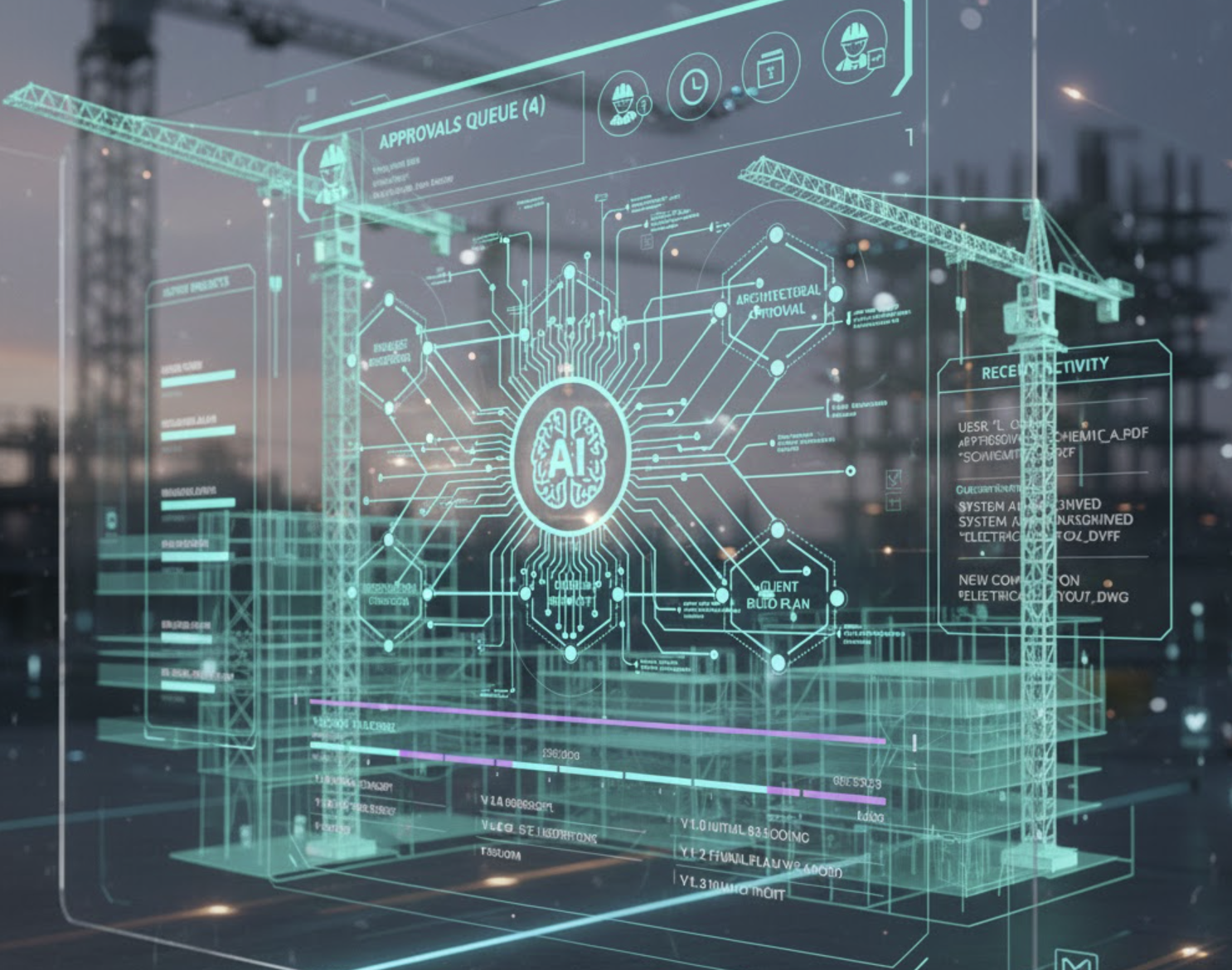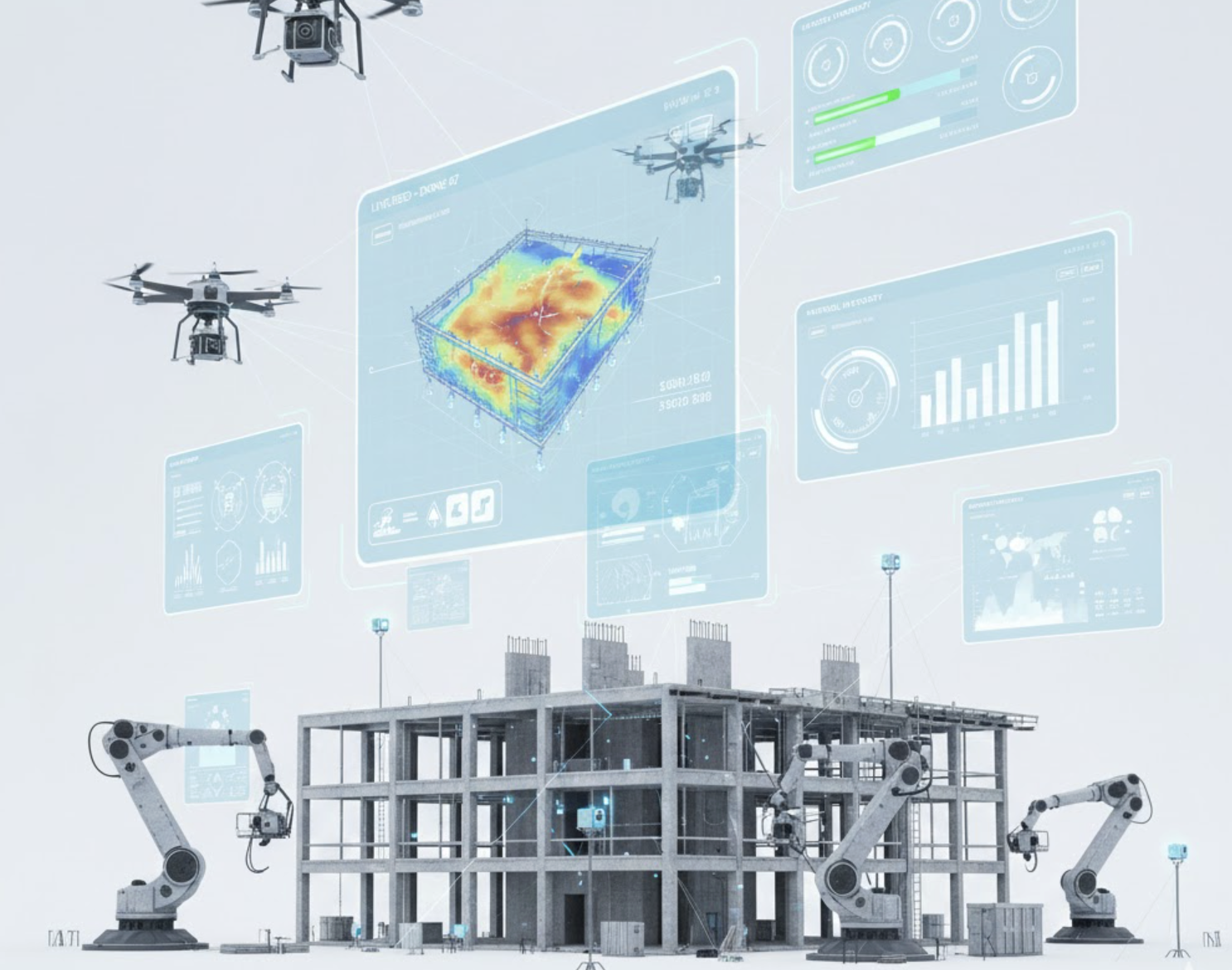

Construction project management software in Dubai faces intense pressures: rapid timelines, high-stakes investments, evolving regulations, and the demand for stunning, sustainable architecture. Where do these ambitious UAE projects most often break down? Core issues include risk mismanagement, document chaos, site safety failures, and disconnected data flows. As the industry evolves, leaders are turning to AI-powered project management and modern digital tools to address and prevent these breakdowns. This deep dive explores common points of failure in Dubai construction and shows how solutions like Zepth Core can fundamentally change the outcome for complex builds.
Risk Management: The First Domino to Fall
Dubai’s construction landscape is rife with opportunity, but risk sits at every project phase. From unpredictable costs to regulatory hurdles, issues in construction risk management often trigger wider problems—causing delays, budget overruns, or compliance violations. Without clear oversight, minor risks quickly escalate.
Why do so many Dubai construction projects struggle with risk? A major culprit is siloed information: risk registers and mitigation plans often live in spreadsheets or isolated systems, making it impossible to gain a real-time, comprehensive view. Teams may struggle to log issues, track their progression, or see how today’s incident foreshadows tomorrow’s delay. This is where AI risk management in construction software brings a new advantage.
Zepth Core’s Risk Register monitors exposures centrally, supporting detailed Mitigation Plans and automated Risk Reporting. By aggregating data from across modules—incidents, financials, site observations—Zepth Core proactively highlights brewing trouble. Automated insights empower managers to act early, rather than react late, fundamentally shifting the risk posture from defensive to offensive.
One frequent question offices have is: What is risk mitigation in construction? Risk mitigation in construction refers to identifying possible problems before they happen and putting plans in place to minimize their impact. By using digital tools with AI, teams can systematically address identified risks, assign responsibility, and track resolution, significantly cutting down on surprises that derail Dubai-scale projects.
Document and Communication Failures: The Hidden Costs
Consider the magnitude of Dubai’s documentation web: contracts, RFIs, drawings, authority approvals. Even a small breakdown can bring work on-site to a halt. Lost or outdated documents, unclear minutes of meeting (MOM), and email overload result in ambiguity and claims. Construction document management chaos is often a silent killer of productivity and compliance.
Zepth Core’s robust features tackle these head-on:
- Document Register creates a unified common data environment for construction, so every version, from tender through as-built, is at your fingertips.
- Submittals and Transmittals automate workflows, accelerating reviews while maintaining full audit trails.
- Mail functions centralize correspondence and tie it to project context, preventing vital communication from being buried in personal inboxes.
- RFI Management tracks questions and answers for total transparency.
- Authority Approval ensures regulatory compliance is visible, trackable, and never missed.
This systematic approach not only reduces costly errors but also supports robust construction compliance software needs. Data is instantly accessible and always current, unlocking frictionless collaboration across teams, consultants, and officials. Answers to everyday concerns—such as “How do you manage project documents in construction?“—now involve structured, cloud-based workflows rather than fragile spreadsheets or email threads. This approach helps prevent the breakdowns that ripple through Dubai’s expansive projects.
Site Control and Safety: Where Technology Meets Reality
Dubai projects can excel in the boardroom, only to falter on the jobsite. Inconsistent tracking of progress, incidents, and compliance often leads to missed deadlines and compromised quality. Real-time construction project data is critical here—providing true visibility, not just periodic snapshots.
Leading jobsite management tools and AI-driven construction management platforms like Zepth Core provide:
Daily Reports and Progress Reports capture updates straight from the field, while Zepth360 harnesses images, videos, and 360-degree scans for vivid, verifiable reporting. Inspections, Non-Conformance, Snag List, and Site Observation modules systematically organize every issue, ensuring nothing falls through the cracks. The HSE Compliance and Safety Violation modules maintain a complete log of compliance status and safety breaches, all feeding back to risk oversight for dynamic action.
This systematized workflow not only ensures timely resolution but also builds a culture of accountability and continuous improvement—values critical for Dubai’s world-class infrastructure. When you ask, “What are the top tools for jobsite management?” the answer increasingly points to AI-backed, mobile-friendly solutions that provide instant updates, scheduling, and compliance checks—much like Zepth’s platform, which empowers field and office teams alike.
Financial Failures and Forecasting: The Budget Breakdowns
Cost overruns have sunk more than one Dubai project. Often, these stem from a lack of real-time visibility into spending, delayed forecasting, or disconnection between field activity and financial records. Construction financial management tools and construction cost control software can make or break a development, particularly as changes, claims, and supply volatility impact budgets throughout the lifecycle.
Zepth Core stands out by offering fully integrated Project Cost Control, seamlessly linked to project activities and risks. The software provides up-to-the-minute cost tracking, alerts on budget deviations, and lets managers create dynamic forecasts that reflect site progress and contractual status, not just static spreadsheets.
With embedded AI in construction analytics and forecasting tools, leaders can answer pressing questions like, “How do you prevent cost overruns in large construction projects?“—by unifying field, document, and financial data for instant, actionable insights. As Dubai demands tight cost controls and transparent reporting for international investors, platforms like Zepth introduce a new era of construction lifecycle management software where budget certainty is achievable, not aspirational.
The Digital Turn: Connecting Compliance, Sustainability, and AI
In Dubai, compliance and sustainability now shape success as much as schedule and cost. Digital transformation has moved from buzzword to necessity. With regulations morphing, building standards tightening, and ESG parameters gaining traction, scattered data spells disaster.
Zepth Core responds with a connected, intelligent platform where compliance, sustainability, and risk data live together. Insights & Analytics dashboards reveal patterns that were once invisible, supporting smarter decisions in everything from material choices to carbon tracking. Integration with BIM (Building Information Modeling) and, increasingly, digital twins in construction predicts outcomes and automates reports, proving value to stakeholders and regulators alike.
Looking to the future, Zepth’s AI and automation—notably in modules like AI-powered document control and project tracking—make it possible to proactively manage change, comply with evolving standards, and report reliably on sustainability performance. These smart construction management tools don’t just prevent breakdowns; they empower contractors and developers to build pioneering, resilient, and sustainable assets that define Dubai’s skyline.
In summary, Dubai projects often break down where risk, documentation, site control, or finances fall out of sync with project reality. Modern AI-driven construction management platforms like Zepth Core offer integrated, cloud-based workflows, advanced analytics, and automation to fix these fault lines before they widen. As the UAE builds up and out, digital-first, AI-powered, and sustainable project delivery is not a luxury—it’s a necessity for success.