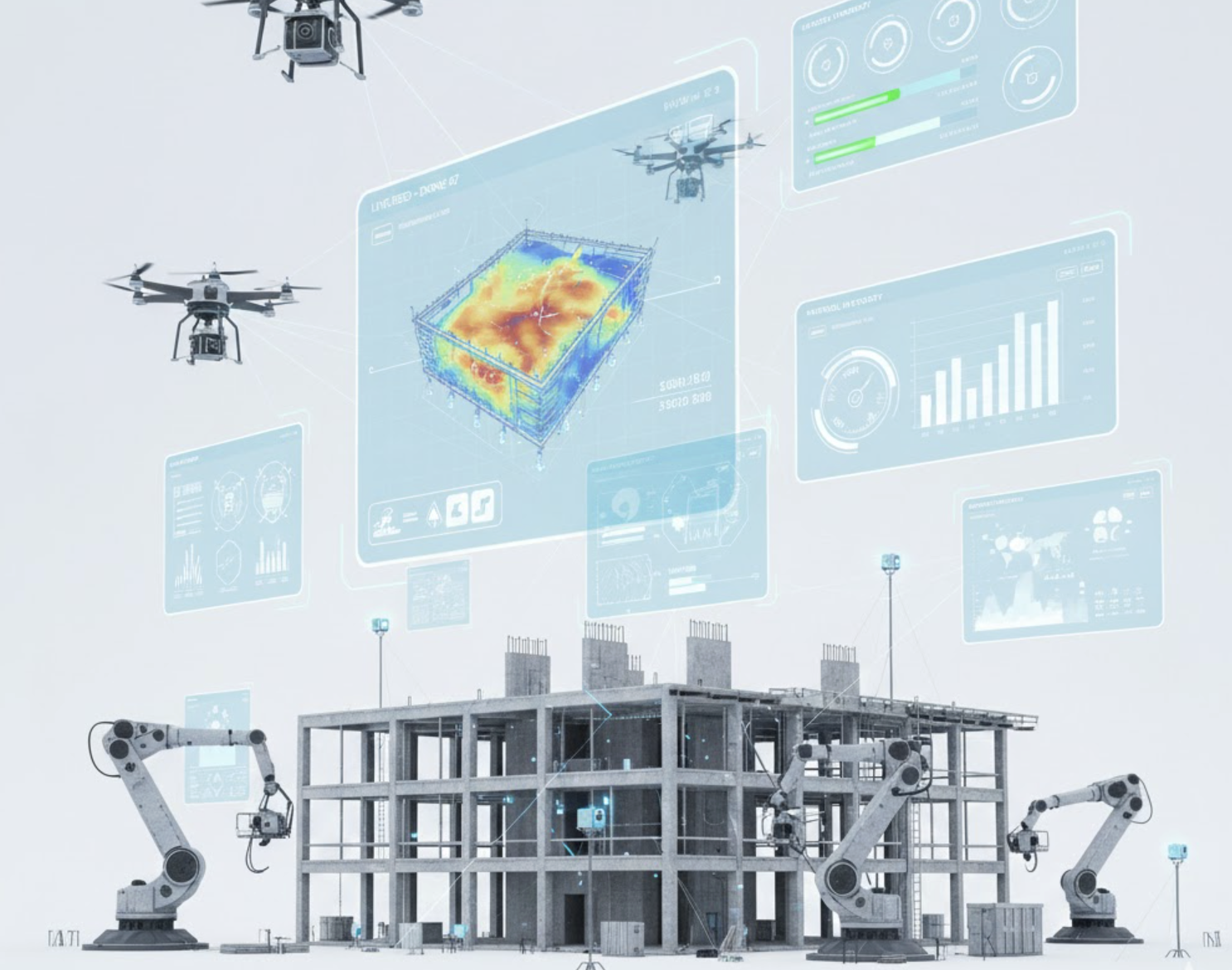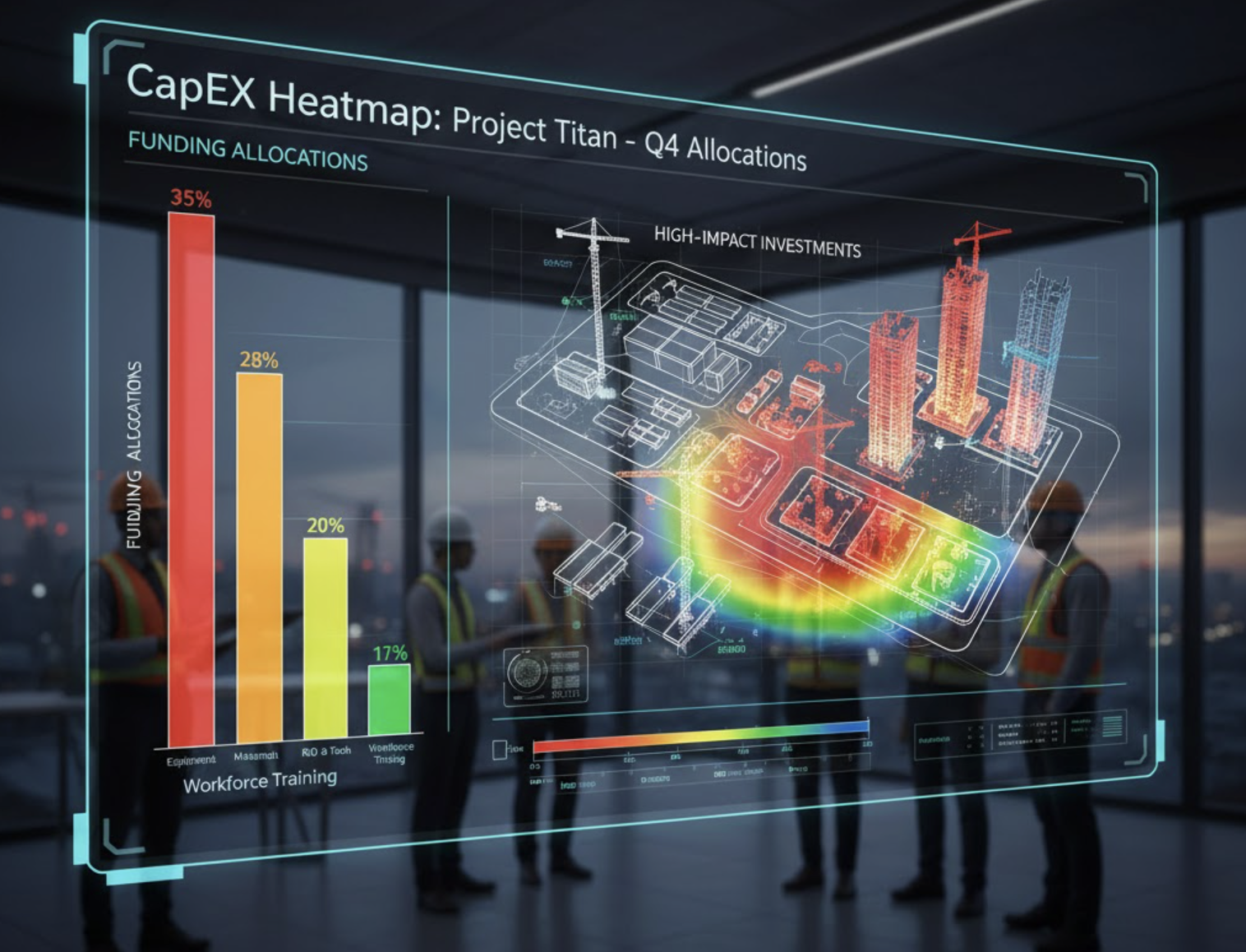

Hotel management software has transformed the way CFOs oversee capital expenditures and operating expenses. In today’s hospitality landscape, managing CapEx and Opex efficiently is vital for long-term profitability and sustainable growth. The line between CapEx and Opex also guides critical financial strategies—and sophisticated platforms like the Zepth Edge hotel asset management platform redefine what’s possible for today’s finance leaders. This comprehensive guide demystifies the essentials and highlights why AI-powered hotel financial management software is central to any modern portfolio’s success.
Distinguishing CapEx from Operating Expenses in Hotel Management
The foundation of sound hotel financial management starts with distinguishing Capital Expenditures (CapEx) from Operating Expenses (Opex). CapEx refers to spending that extends the useful life of a property, enhances its value, or adapts assets for new use. For instance, acquiring high-efficiency HVAC systems or major renovations classifies as CapEx, requiring capitalization and depreciation over their lifecycle. In contrast, routine costs—like cleaning supplies or monthly utilities—are Opex, directly deducted from income in the period incurred.
Managing this distinction ensures not only compliance but empowers hotel CFOs to optimize tax positions and forecasting strategies. In many cases, hotels employ a threshold, like $5,000 per asset, to classify expenditures, ensuring correct categorization. For those asking, “What is the difference between CapEx and Opex in hotels?”—CapEx investments yield benefits over an asset’s useful life, while Opex covers everyday, recurring operating costs.
Strategic Planning: The Six Pillars of Hotel CapEx Management
Modern hotel portfolio management systems enable a structured and data-driven CapEx planning process. Successful CapEx strategy follows a methodical approach—each step designed to minimize risk, maximize ROI, and promote operational excellence.
- Thorough Asset Assessment: Begin with a comprehensive asset audit, from building systems to guest amenities. This prevents redundant spending—like replacing FF&E items before a scheduled renovation.
- Set Realistic Capital Budgets: Reserve a percentage of gross revenue for CapEx—typically 4 percent or more. Factor in planned major replacements, brand standards, and contingencies for surprise failures.
- ROI-Based Prioritization: Rank projects using expected return and strategic value. AI-powered hospitality management tools like Zepth Edge help quantify benefits through predictive analytics and rolling forecasts.
- Long-Term Projections: Plan major expenditures over multi-year horizons, accounting for inflation and changing market demands.
- Three-to-Five Year Forecasting: Develop a forward-looking CapEx roadmap tied to strategic hotel objectives. This enables smarter investments and resilient growth.
- Leverage Hotel CapEx Optimization Technology: Use hotel CAPEX control software and asset lifecycle management tools to digitize, monitor, and automate every stage of CapEx planning. With Zepth Edge, you gain detailed tracking, real-time analytics, and streamlined compliance for every asset and project.
Many hoteliers wonder, “How can I improve my Capital Expenditure (CapEx) planning?” Using cloud-based hospitality management systems, CFOs gain instant visibility of asset condition, automate forecasting, and build compliance into every transaction. This prevents missed tax benefits, reduces manual errors, and ensures readiness for audits or refinancing events.
Cash Flow Management and Capital Allocation Excellence
Investing in renovations or major upgrades, while securing uninterrupted operational liquidity, presents a persistent challenge. CFOs must balance long-term value creation with day-to-day cash needs. By employing robust hotel financial management software and AI hotel automation platforms, finance teams can:
- Monitor cash inflows and outflows in real time for all portfolio properties.
- Plan capital investments with precision, aligning with anticipated revenue seasons and expense cycles.
- Automate fund allocation across Opex, CapEx, and emergency reserves, maximizing asset performance and minimizing financing costs.
The Zepth Edge portfolio performance monitoring module centralizes budget planning—fusing historical MIS data, real-time analytics, and predictive AI-driven insights. This integration gives CFOs agility in decision-making and peace of mind that every financial move aligns with broader organizational objectives.
For those often asking, “What tools help track and forecast hotel cash flow?”—modern cloud-based property management and hospitality analytics platforms deliver live dashboards, alerts, and scenario planning features. Zepth Edge’s AI-driven performance dashboards generate actionable intelligence, empowering CFOs to take preemptive action and avoid liquidity crunches.
Expense Management: Digital Tools and Tactics for Hotels
Managing operating expenses (Opex) carries as much weight as strategic CapEx investment. Rigorous expense control safeguards margins and powers growth—especially in times of market volatility or tightening supply chains. Successful expense management hinges on seamless tracking, efficient approval workflows, and proactive cost-saving initiatives. Hotel OPEX management tools now automate approvals, track spending live, and surface actionable patterns. With Zepth Edge, for example, the Budget Management and OPEX control modules deliver:
- Real-time expense tracking linked to property-level metrics
- Automated approval and escalation flows ensuring accountability
- Compliance features embedding audit-readiness into every transaction
- Integrated hospitality forecasting tools to predict future needs based on historical patterns
Frequently, leaders ask: “How do hotels control costs without sacrificing guest experience?” Success depends on implementing cost reduction strategies without reducing quality—such as optimizing contracts, automating procurement, or leveraging AI-powered analytics to spot inefficiencies. Real-time hospitality data analytics, like those provided by Zepth Edge, surface savings opportunities and encourage smarter decisions across the organization.
Travel and Expense Management Best Practices for Hotel CFOs
After payroll, travel and entertainment (T&E) rank as the second largest controllable cost for most hotel businesses. Establishing a robust expense management policy—enabled by hotel compliance and audit software—ensures clarity and accountability. Effective policies will:
- Define reimbursable categories (travel, meals, lodging, supplies, etc.)
- Set clear budget thresholds with automated enforcement
- Require documented approvals and pre-approvals for significant expenses
- Leverage AI in hotel budget planning for predictive controls and error reduction
The Zepth Edge operations and service module empowers teams to monitor expense requests, tie them to business objectives, and proactively surface compliance risks. With real-time dashboards, automated workflows, and digital records, CFOs ensure every transaction is justified, traceable, and audit-ready.
A common question is, “What should a hotel expense policy include?” Comprehensive policies list eligible expenses, set individual limits by role or location, require timely reporting, and mandate enforceable approval structures—all elements easily configured in modern AI-driven expense management solutions.
Driving Digital Transformation and Intelligence in Hotel Financial Management
Digital transformation in hospitality isn’t just a trend—it’s a competitive necessity. With IoT and AI in hotel operations, data-driven hospitality management becomes reality. AI-powered platforms like Zepth Edge combine portfolio-wide asset registers, CAPEX tracking in hospitality, real-time procurement insights, and smart hotel management tools into a unified cloud-based ecosystem.
Key modules from Zepth Edge driving next-generation results include:
- Financial Overview: Centralized dashboards for profit, revenue, and expense metrics
- Occupancy & Utilization: Analytic tools for maximizing asset utilization
- CAPEX Management: Structured, traceable workflows for all CapEx projects
- Asset Lifecycle Management: End-to-end asset data, from acquisition to advanced analytics for lifecycle optimization
- MIS Reporting: Powerful reporting integrating financial, operational, and performance data across the portfolio
For those interested in sustainable hotel management, Zepth Edge’s data-driven approach enables proactive maintenance, energy efficiency initiatives, and long-term asset reliability. By digitizing everything from budgeting to asset disposal, hotels achieve improved compliance, cost transparency, and auditability—building a platform for sustainable profitability in evolving markets.
Conclusion: The Intelligence Edge Advantage for Hotel CFOs
Hotel CFOs operate in a landscape shaped by complexity, rapid change, and rising stakeholder expectations. Mastering CapEx and expense management with smart software platforms like Zepth Edge places finance leaders at the heart of portfolio optimization and strategic growth. From real-time performance dashboards to AI-led operational intelligence in hotels, digital transformation drives bottom-line impact.
With the right hotel asset management platform, CFOs not only improve financial control and compliance but unlock revenue opportunities, cost savings, and transformative data-driven insights—delivering the intelligence edge hotels need to stay ahead.