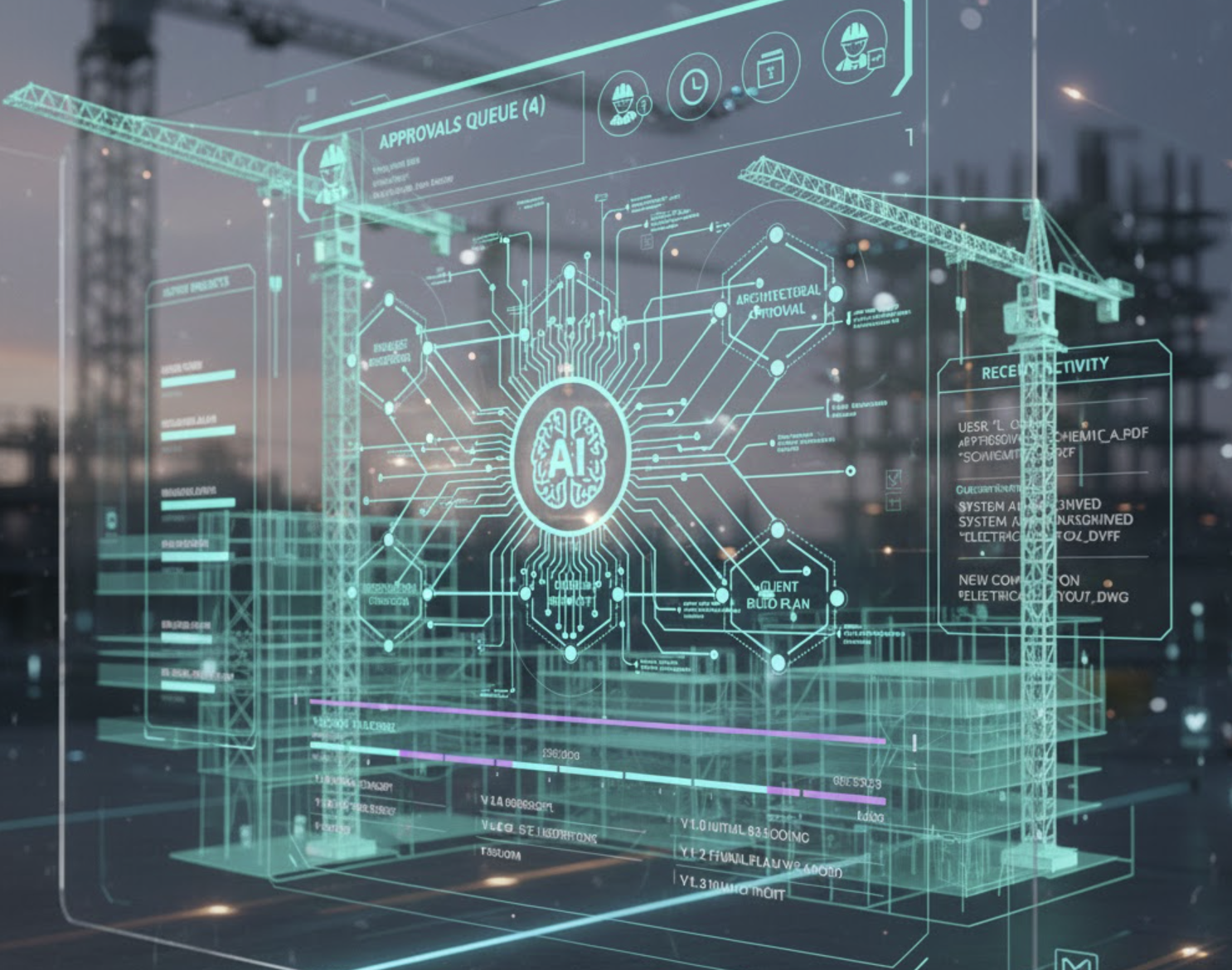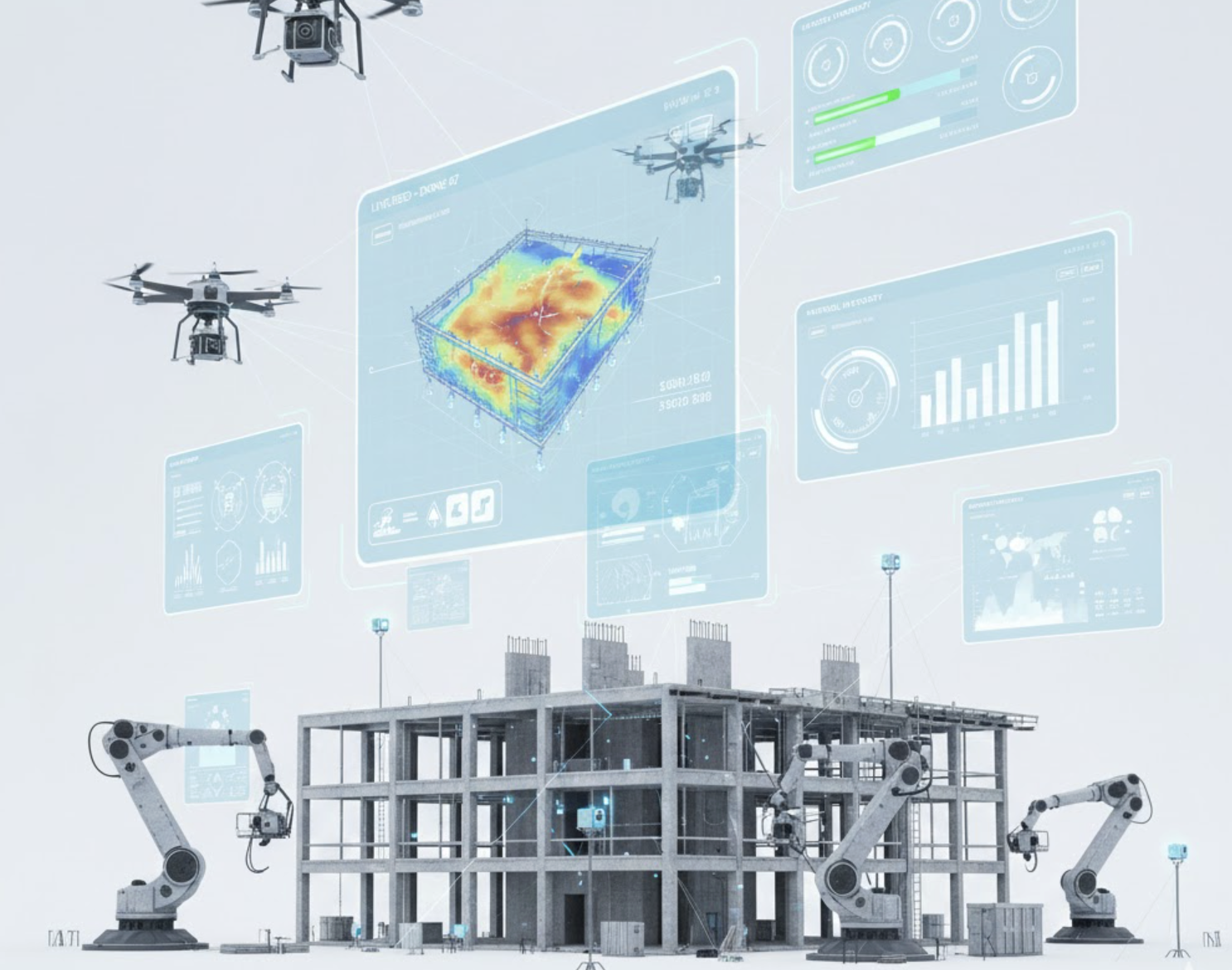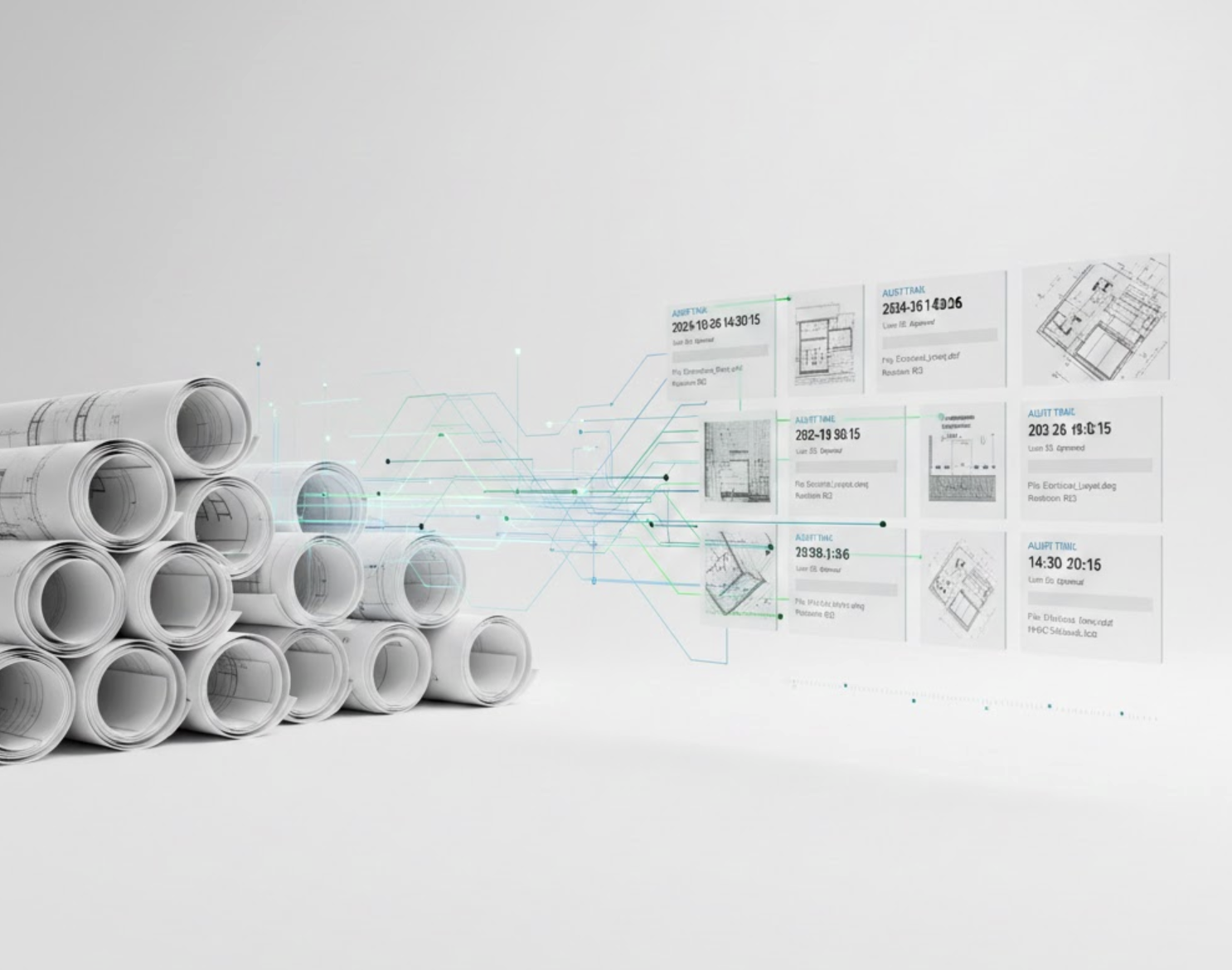

Construction project management software continues evolving with the growing demands of industry professionals. Yet, even as digital tools proliferate, many teams grapple with fragmented documentation, version chaos, and communication silos—problems that hinder collaboration and project outcomes. Centralized document control platforms, such as those in the Zepth Core ecosystem, provide the transformative solution: a single source of truth that powers faster decisions, safer sites, and seamless teamwork. In this post, we’ll explore how centralized document management elevates collaboration throughout the construction project lifecycle, highlighting smart features and key benefits along the way.
What Is Centralized Document Control?
Centralized document control is a digital hub where all project documents—drawings, RFIs, submittals, contracts, quality and safety records—are securely stored, organized, and governed. Rather than scattering critical files across emails, desktop folders, WhatsApp threads, or paper binders, teams rely on this unified platform as their real-time, always-current reference point. This approach, powered by features like robust versioning, role-based access, workflow automation, and comprehensive audit trails, stands in stark contrast to legacy methods where information is often incomplete, outdated, or unreachable when needed most.
For construction professionals, the volume and velocity of project information are massive. Consider how a mid-sized building might generate thousands of files encompassing RFIs, submittal packages, change orders, specification sheets, QA/QC forms, and more—across dozens of consultants, contractors, and stakeholders. In this context, centralized document management in construction project tracking software isn’t just a productivity boost; it’s a necessity for real-time coordination, risk mitigation, and claims avoidance.
How Centralized Document Control Fuels Better Collaboration
Single Source of Truth for All Stakeholders
One challenge that haunts construction teams: “Which document is the latest?” Fragmented, uncontrolled information leads directly to costly rework, duplicated effort, and contentious disputes between teams. A centralized construction document management system acts as the universal, up-to-date reference point for all stakeholders—owners, general contractors, architects, consultants, subcontractors, and suppliers. Everyone accesses the same data set, from the same platform, with real-time synchronization ensuring that only current, approved files are in use. This clarity erases confusion, slashes time spent digging through email chains or outdated folders, and supports collaborative project delivery.
By connecting teams through a shared data environment, Zepth’s platform unifies control over drawings, RFIs, submittals, contracts, and more. Modules such as Zepth Documents, Zepth Submittals, and Zepth RFIs ensure that collaboration always happens around verified, authoritative information. This foundation is essential not just for teamwork but for schedule adherence, claims defensibility, and risk management. If you’ve ever wondered how to create a single source of truth for construction projects, this centralized approach is the answer.
Faster, More Efficient Teamwork—Onsite and Offsite
Collaboration slows to a crawl when teams must continually resolve conflicting document versions or wait for answers locked in someone’s inbox. Centralized control accelerates collaboration by providing:
- Real-time document access and instant file search
- Concurrent editing and markup tools to support teamwork
- Automated notifications for reviews, approvals, and document updates
- Linked workflows so changes in one module (e.g., RFIs) cascade as needed
- Mobile-ready access for site teams to upload photos, reports, and punch lists instantly
For example, during design coordination, architects, engineers, and MEP specialists can view markups, respond to RFIs, and resolve issues from the same interface—no more version confusion or missed questions. Procurement flows—where lost submittals or delayed approvals can disrupt schedules—also become reliable, trackable, and auditable. Even in rapidly shifting field environments, mobile document management tools enable site staff to capture as-built conditions or register snag lists for instant office review.
This synchronized ecosystem underpins Zepth’s jobsite management tools and document control modules. With automated routing, reminders, and role-based notifications, Zepth turns approvals and reviews into efficient digital workflows, closing gaps between dispersed teams and drastically reducing email and call volume. A common question arises here: “How can a centralized platform reduce project delays?” By eliminating lost documents and streamlining approvals, projects move faster, and decisions come with confidence.
Version Control and Change Management
Few project risks are more pervasive than errors resulting from outdated or superseded documents. Roadblocks such as design revisions, new method statements, regulatory updates, or modified safety procedures often cascade across dozens of drawings and specifications. When teams work from different versions, the results are predictable: rework, wasted resources, and disputes.
Modern AI-powered project management tools address this pain through robust version management. Every document has a clear lifecycle, complete with check-in/check-out, revision logs, and audit trails showing who changed what, when, and why. This transparency supports compliant handovers, defensible claims, and dispute avoidance. Zepth Core enforces version integrity by ensuring only approved revisions are visible to field staff, with direct links between RFIs, changes, and associated drawings, so users instantly grasp the full context of any modification. If you’ve asked, “What is version control in construction document management?” it refers precisely to this—structured oversight and transparency at every step.
When teams must trace which version of a drawing was used on a specific date, or why a field change order was approved, the auditability provided by construction AI document management software becomes invaluable. The ability to roll back changes and review historical context doesn’t just boost teamwork; it also guards financial and legal interests. Quality assurance and risk management depend on having this level of control.
Role-Based Access: Enabling Open Yet Secure Collaboration
The most effective collaboration happens when the door is open to all relevant parties—while still safeguarding sensitive commercial, financial, or contractual data. Central document platforms like Zepth implement granular, role-based permissions so users can only access information appropriate for their function (owner, PMC, consultant, subcontractor, supplier). This enables genuine teamwork across organizations, while strict access protocols prevent data leaks or errors from unauthorized edits.
Transparency goes hand-in-hand with security. With full audit trails, every action—viewing, downloading, editing, sharing, approving—is logged and timestamped, helping teams build trust internally and satisfy external compliance requirements. When a project moves into dispute or audit, it’s easy to demonstrate who did what and when, reducing finger-pointing and supporting claims defense. Construction teams looking for construction compliance software or tools that simplify audits will find centralized control essential.
This capability is especially critical in projects with multiple organizations working side-by-side. Zepth’s platform is built for this complexity, making it simple to bring in partners, assign permissions, and ensure accountability at every step. If someone asks, “How does centralized document control support construction project security?”—the answer lies in tightly managed access, real-time audit trails, and standardized governance that protects every stakeholder.
Intelligent Document Control: Automation, Analytics, and Future-Proofing
The next wave of AI in construction is happening today. Leading document management solutions incorporate AI-driven features that further elevate team performance. Automated classification, tagging, and smart search transform massive archives into easy-access libraries. Workflow automation speeds up submittal reviews, RFI responses, and contract executions. Intelligent analytics reveal bottlenecks, such as recurring delays in approval cycles or gaps in compliance documentation.
Zepth goes even further by integrating insights and analytics directly into the platform. Dashboards display live project document status, overdue items, and user productivity patterns. These insights help project leaders target coaching, allocate resources, and forecast risks based on actual document flow. As team members adapt to these construction tech innovations, productivity climbs and uncertainty drops. The adoption of such AI construction platforms is a key driver in the digital transformation of the construction industry.
It’s common for teams to ask, “Can construction document management platforms minimize human error?” Absolutely—they automate repetitive workflows, enforce compliance, and notify users about critical updates, making sure nothing falls through the cracks. Coupled with AI-powered search and filtering, finding the needed record—whether an approved drawing, a signed contract, or a QA form—becomes almost instantaneous, saving countless hours and protecting project timelines.
Key Features of Zepth’s Centralized Document Control
With Zepth, the features that empower next-generation collaboration include:
- Document Register: Centralized repository with indexing, versioning, and search for all project files.
- Mail and Correspondence: Streamlined, traceable project communications—no more scattered emails.
- Submittals and RFIs: Structured tracking and workflow-enabled management of all submittals and information requests.
- Authority Approvals & Transmittals: End-to-end tracking of compliance, regulatory, and third-party document flows.
- Minutes of Meeting, Task Management: Action items and records stay visible and actionable, not buried in files.
- Role-Based Permissions: Customizable access for internal and external teams, with detailed audit logging at every touchpoint.
- AI-Driven Analytics: Built-in reporting surfaces delays, bottlenecks, and compliance risks to keep projects on track.
When these elements are unified in a common platform, collaboration not only becomes easier, but safer, smarter, and more scalable. Whether leveraging cloud-based construction management, integrating with BIM workflows, or supporting mobile-first field operations, Zepth provides an agile foundation for both present and future project needs.
Conclusion: A Foundation for the Future of Construction Collaboration
Centralized document control is rapidly becoming the backbone of high-performing construction teams. By providing a single, secure source of truth, seamless versioning, workflow automation, and powerful analytics, this approach eliminates rework, accelerates decisions, and makes collaboration effortless—even on complex, multi-organization projects. Features such as AI-driven construction management, real-time visual reporting, and granular access controls are no longer optional; they’re essential for security, compliance, and competitive success. As project demands rise, adopting an advanced platform like Zepth Core ensures teams stay connected, compliant, and empowered from initial design to closeout and well beyond.
If your organization is ready to reduce information silos, boost trust, and join the next generation of smart construction management tools, implementing centralized document control is the proven first step. The era of collaboration, accountability, and visibility has arrived—are you prepared to lead?