
Hotel management software increasingly underpins sound investment decisions in hospitality. The challenge of balancing maintenance and growth investments demands a data-driven, holistic approach—one that blends hotel asset management platform features, AI in hospitality, and robust financial analytics. As operators strive to optimize operational continuity while still fueling innovation, the right blend of maintenance and growth capital expenditures (CAPEX) becomes crucial.
Understanding Maintenance vs. Growth Investments
In any hotel portfolio management system, maintenance capital expenditures preserve the viability and value of current physical assets—think roof repairs, equipment upgrades and room renovations. These investments anchor asset reliability, reduce costly interruptions, and ensure health, safety, and service quality. For instance, hoteliers implementing strong hotel CAPEX control software will monitor aging plumbing, electrical systems, or HVAC infrastructure, scheduling proactive interventions. This approach minimizes unplanned downtime and emergency costs, keeping assets functioning reliably for guests and delivering predictable revenue streams.
Conversely, growth capital expenditures target new capabilities and future revenue. Projects might include building out additional guest rooms, digitizing guest experiences, or entering new markets. They are riskier, often with longer payback periods, and usually require diligence via forecasting tools and advanced AI-driven hotel management platforms. The goal is to drive top-line growth and competitive edge—whether by adopting mobile check-in systems or expanding portfolio reach.
The Dual CAPEX Challenge in Modern Hospitality
Today’s hotels balance more than just fabric and furniture. A modern hotel operations management platform must account for:
- Physical Infrastructure: Building systems, amenities, guest rooms, and public areas
- Digital Enablement: Technology platforms (self-service check-in, mobile keys, guest messaging) that enhance operational efficiency and guest satisfaction
- Asset Lifecycle Management: Tracking the condition, value, and replacement schedule of all property assets
- Service Quality: Ensuring upkeep investments positively impact guest experience metrics
- Operational Efficiency: Leveraging AI hotel automation platform features to cut costs and optimize workflows
Delaying maintenance often leads to expensive, last-minute interventions; overinvesting in growth can drive operational failures as aging assets undermine guest experience. Successful owners strike a dynamic balance, guided by transparent data streams from cloud-based hospitality management systems. Many hotel managers, especially those navigating the shift toward digital transformation in hospitality, ask: “What’s the optimal balance between maintenance and growth investments for sustainable hotel management?” The answer frequently depends on portfolio goals, market position, and the reliability of your analytics infrastructure.
Zepth Edge: Driving Smart Capital Decisions in Hospitality
To orchestrate this complexity, Zepth Edge delivers a connected command center built for data-driven hospitality management. By integrating financial, operational, and asset analytics, Zepth Edge addresses both sides of the CAPEX equation:
1. Financial Overview & Forecasting:
Real-time profit, revenue, and expense tracking enables agile hotel budgeting and forecasting, unlocking immediate insights into how both maintenance and growth investments affect the bottom line.
2. CAPEX Management:
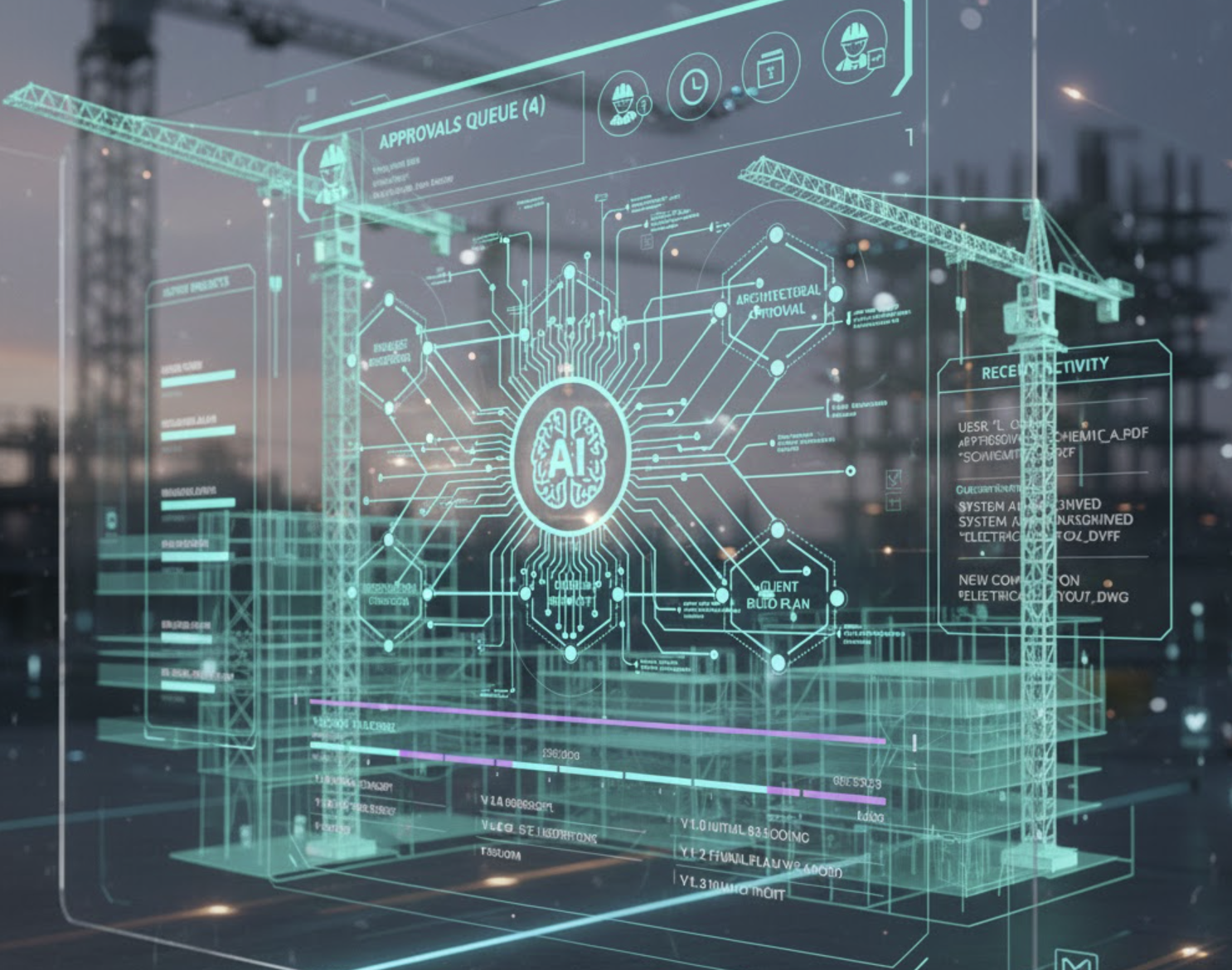
Automated, digitized workflows for CAPEX requests, approvals, and spend tracking ensure every project is aligned with strategic and financial objectives. With Zepth Edge’s AI financial reporting platform, hoteliers compare ROI projections, monitor project progress, and maintain disciplined capital allocations.
3. Asset Register & Lifecycle Optimization:
Hotels require a single source of truth for asset location, condition, and age. Zepth Edge’s robust asset lifecycle management for hotels facilitates maintenance planning and compliance, protecting asset value and maximizing lifecycle performance. Users often wonder, “How does a hotel asset management platform benefit my valuation and guest ratings?” The answer lies in data-driven maintenance cycles that reduce unplanned downtime, enhance guest satisfaction, and ultimately drive property value up.
4. MIS Reporting & Real-Time Analytics:
Management Information System (MIS) reports synthesize performance data—linking OPEX and CAPEX trends, guest satisfaction, and maintenance events. These dashboards help owners and operators make swift, confident CAPEX allocation decisions across any size portfolio.
Advanced Technologies Blurring Investment Boundaries
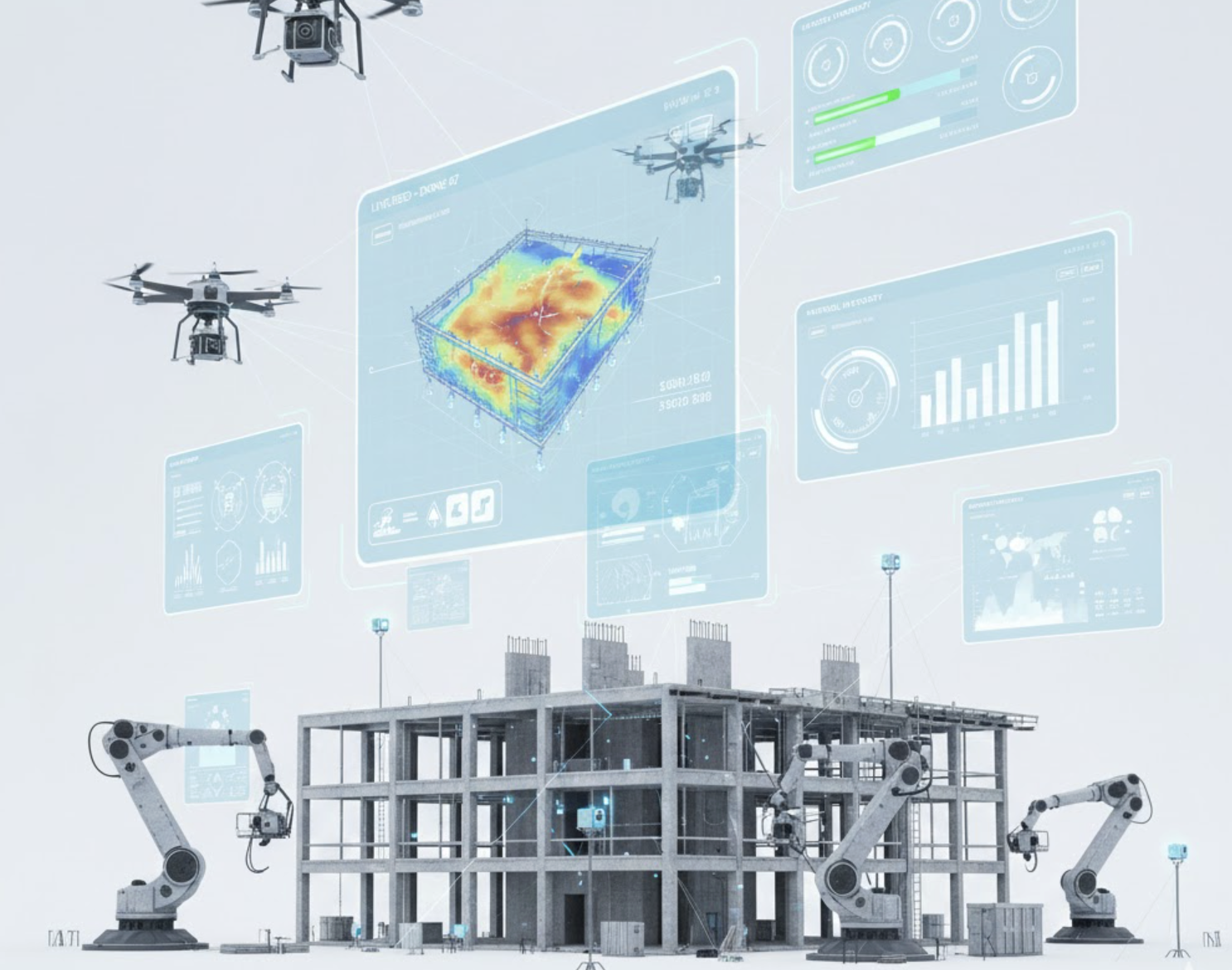
In recent years, AI-powered hospitality management tools have changed how maintenance and growth investments are categorized. Smart upgrades like automated check-in kiosks, digital room keys, and guest messaging platforms deliver on both fronts. They streamline operations (a maintenance win) while attracting new guests and differentiating the brand (a growth lever). Owners leveraging AI in hotel budget planning gain tools for scenario modeling and predictive maintenance—turning every dollar spent into traceable, measured impact.
Sustainability upgrades, such as energy-efficient lighting or smart climate control, exemplify investments that balance short-term expense with long-term gain. While upfront costs are higher, benefits accrue over years: reduced utility spend, improved regulatory compliance, and greater appeal to eco-conscious travelers. Questions often arise: “What role does energy efficiency play in hotel operations management platforms?” In today’s landscape, it’s central to both compliance and competitive differentiation.
Analysis and Allocation: Decision Frameworks for Hotel Portfolios
Hoteliers must select analysis techniques suited to each investment category. Maintenance projects usually fare well with classic ROI or payback period metrics, as outcomes are predictable. Growth investments—like building a wellness wing or launching a new loyalty program—require rigorous scenario planning and understanding market conditions, best supported by data from next-generation hospitality analytics and insights solutions.
The most effective digital transformation in hospitality strategies integrate:
- Strategic Prioritization: Targeting projects with maximum guest and financial return
- Flexible Evaluation: Adapting analysis methods as risk profiles shift
- Risk-Adjusted Returns: Applying higher hurdle rates to growth initiatives
- Real-Time Adjustment: Using market signals and portfolio performance monitoring to time investments effectively
For those searching, “What are the best practices for balancing hotel CAPEX optimization and growth initiatives?”, a mixed-portfolio method wins—grounded in flexible, data-rich platforms that respond to evolving market needs and guest preferences.
Impact on Valuation, Performance, and the Guest Experience
CAPEX allocations directly affect asset value, cash flow, and guest perception. An undermaintained hotel may suffer breakdowns, poor reviews, and depreciating value, while overreliance on growth with inadequately maintained assets risks operational instability—even bankruptcy in extreme cases. Hotel compliance and audit software from Zepth Edge ensures traceability, transparency, and regulatory alignment for both maintenance and growth projects.
Zepth Edge users see up to 30% CAPEX savings via smarter forecasting, 10% revenue uplift from real-time insights, and 50% higher asset uptime. This is the impact of modern, cloud-based smart hotel management tools—the Intelligence Edge that sets your portfolio ahead of the competition. In a fast-evolving sector, the right balance isn’t static but dynamic, rooted in high-quality analytics and a forward-looking mindset.
Ultimately, the hospitality leaders who thrive will be those who embrace AI-led operational intelligence in hotels, integrate data-driven performance dashboards, and use platforms like Zepth Edge to orchestrate a seamless and profitable balance between maintenance and growth—fueling both guest delight and long-term asset appreciation.