
From Reactive to Predictive: How AI Changes Construction Risk Management
In today’s fast-evolving building industry, construction project management software stands as the foundation of high-performing sites. Within this digital framework, risk has always loomed large—but artificial intelligence is reshaping the landscape. AI in construction doesn’t just automate repetitive tasks or analyze past incidents; it empowers teams to predict, prevent, and mitigate challenges before they materialize. Let’s explore how AI-driven construction management, exemplified by the Zepth Core platform, is transforming risk management from a chase-and-react exercise into a precise, predictive science—delivering real-time control, safety, and value.
The Shift to Predictive Construction Risk Management
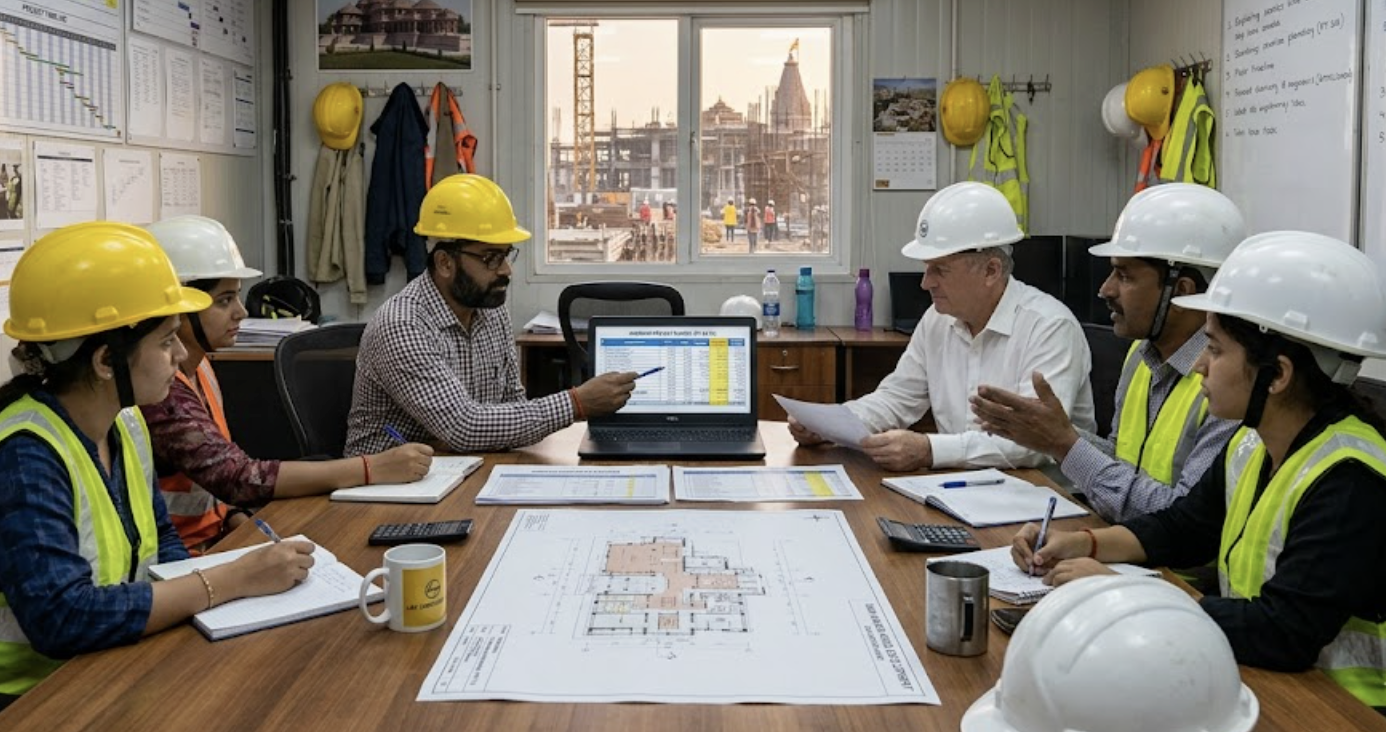
Historically, construction has grappled with risk through audits, inspections, and reactive paperwork—often after the damage is done. Common questions from teams include: “Why does construction risk management matter so much?” The answer lies in cost, safety, and project delivery. Accidents, non-conformances, unforeseen conditions, and compliance breaches can quickly escalate into project delays, inflated budgets, and regulatory headaches.
AI-powered project management shifts the narrative. Instead of waiting for an issue to occur, modern platforms sift site and document data to flag anomalies, suggest proactive mitigations, and surface trends that hint at latent threats. For example, Zepth Core’s Risk Register centralizes all known and emerging risks—classifying their probability, causes, and impacts—while built-in analytics scan for new patterns. Automated Risk Reporting delivers insights in real time, allowing for immediate course correction with advanced risk mitigation in construction workflows.
Key AI Tools for Construction Risk: Features and Benefits
AI applications in construction management are broad and deeply practical. Field teams and managers often ask: “What AI tools help reduce risks on a construction site?” Here’s how leading solutions drive real results:
- Automated Incident Reporting: Intelligent algorithms capture, classify, and analyze incidents—from minor safety violations to major accidents—creating structured logs for rapid follow-up.
- Dynamic Risk Scoring: Smart systems evaluate jobsite activities, project documents, and inspection outcomes to score risks, alerting teams to hotspots needing urgent attention.
- Integrated Non-Conformance Tracking: AI tools connect observations, snag lists, and compliance data, flagging repeat defects and likely trouble areas before they affect critical milestones.
- Predictive Analytics: By harnessing real-time site data, cloud-based platforms offer construction analytics and insights that forecast cost overruns, schedule slips, and compliance breaches—often weeks in advance.
- Mitigation Plans: Automated generation and tracking of tailored risk mitigation actions make it easy to assign, monitor, and close preventive measures—ensuring accountability and traceability.
If you’ve ever wondered, “How does AI enhance construction jobsite management and compliance?”—AI enables data-driven HSE compliance, incident documentation, and even personalizes safety recommendations based on project history.
Zepth Core: AI-Driven Features for Comprehensive Jobsite Risk Control
With Zepth Core, construction leaders access an integrated suite designed to make AI risk management in construction both scalable and actionable. Tools like the Jobsite Management module empower teams to automate inspections, track near-misses, centralize documentation, and accelerate decision-making. The HSE Compliance and Incident Reporting modules feed real-time jobsite intelligence into the risk engine, while Snag List and Non-Conformance streamline quality assurance, flagging deviations immediately for swift response.
Zepth’s risk register offers a living record of all exposures, with risk analytics highlighting where attention is needed most. Built-in tools like Mitigation Plans and Risk Reporting enable project teams to orchestrate proactive defenses—reducing uncertainties and building resilience into every phase. Importantly, the Zepth360 module delivers visual verification, snapping photos and capturing 360-degree site imagery linked to project locations. This gives managers instant clarity, allowing them to test assumptions, validate progress, and spot hazards that documents and spreadsheets might miss.
Integrated Financial and Compliance Benefits
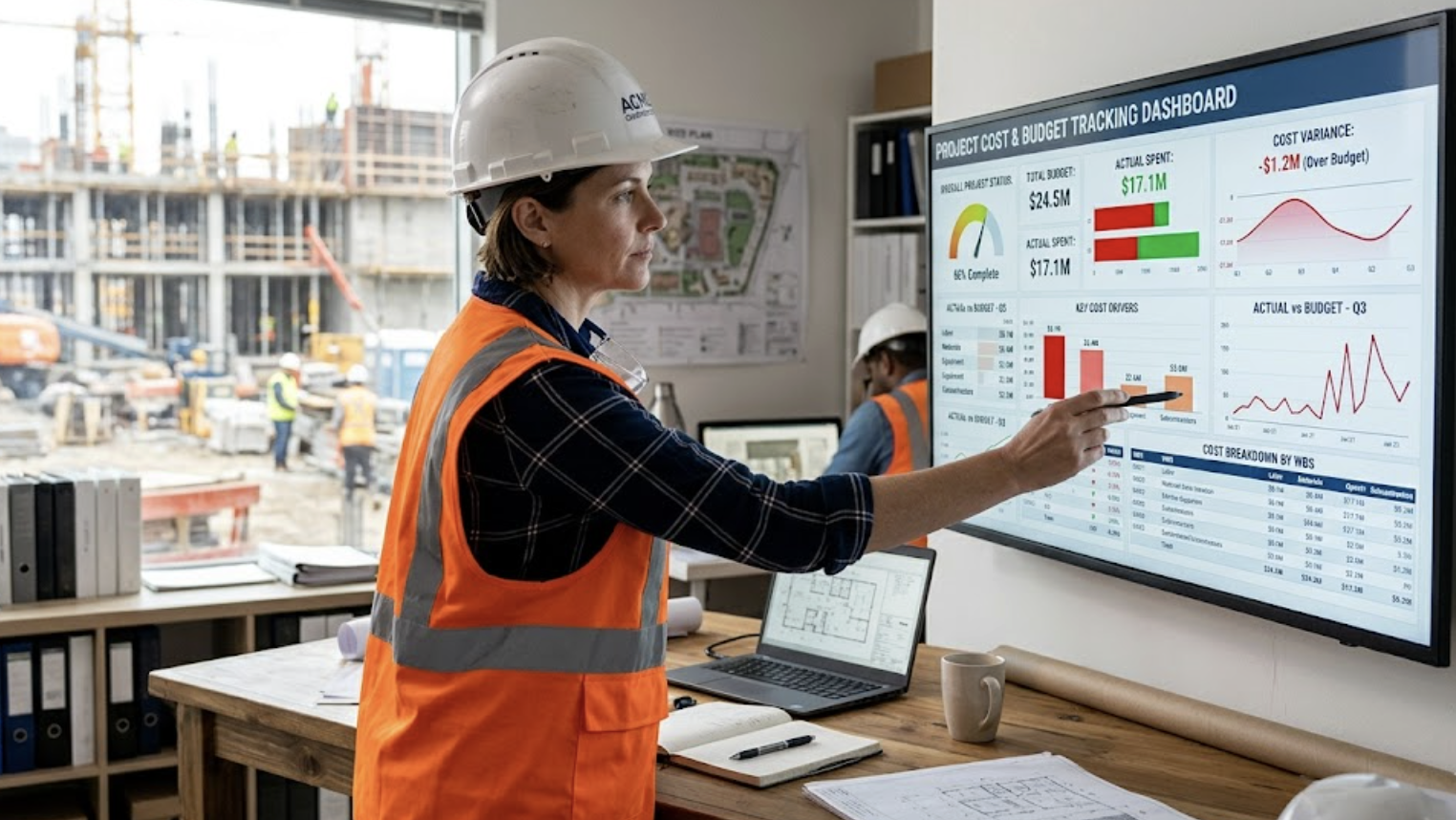
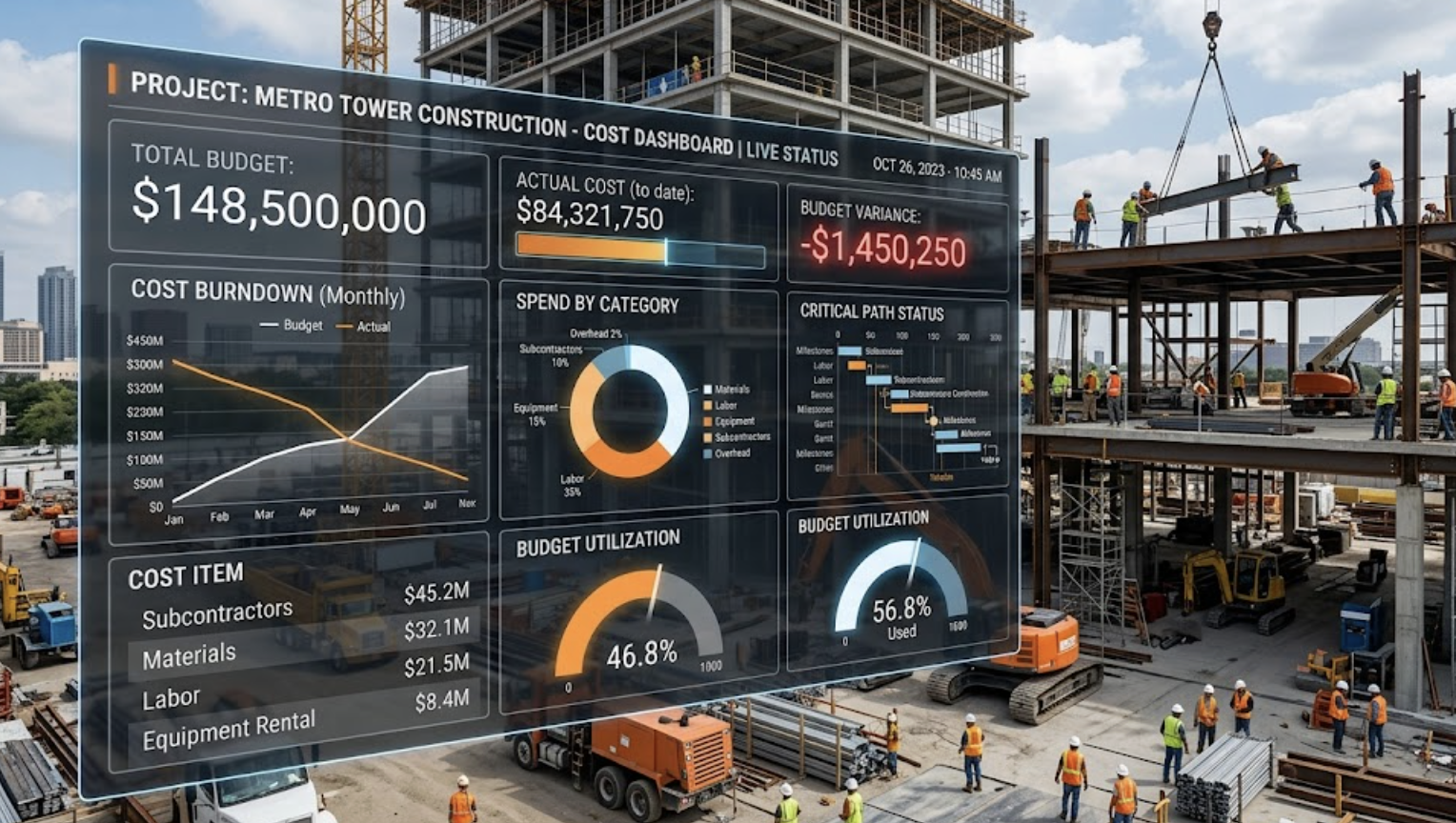
A robust approach to risk inevitably impacts project finances. “What is construction cost control software, and how does it relate to risk management?”—Effective cost control tools, like those built into Zepth Core, track contract budgets, expenditures, and change order impacts as risks are logged and mitigated. Real-time financial tracking identifies budget threats, links them to root causes on the jobsite, and aligns everyone on the impact—and resolution—of negative trends.
Beyond costs, regulatory and contract compliance is increasingly non-negotiable. Construction compliance software embedded within jobsite management and document registers ensures every safety mandate, submittal, and inspection is logged, time-stamped, and easily retrievable for audits or authority approvals. Automated risk mitigation in construction not only prevents loss but keeps growing business portfolios compliant with evolving regulations and ESG benchmarks—a key piece of any sustainable construction management strategy.
The Future: BIM, Digital Twins, and the Next Horizon of Predictive Risk Management
With AI and cloud-based platforms, the scope of construction lifecycle management software is expanding rapidly. Today’s risk analytics increasingly plug into BIM (Building Information Modeling) systems and leverage digital twins—real-time, data-driven replicas of project sites and assets. Integrating BIM models and digital twins in construction amplifies the predictive power of risk management by mapping data streams directly onto spatial layouts, machinery, material flows, and more.
This level of digital connectivity heralds the next phase of construction tech innovation. AI tools for construction will soon recommend optimal resource allocations, trigger predictive maintenance, and model the downstream impact of early warnings on project schedules and profits.
Whether managing a multimillion-dollar urban build or a local sustainable retrofit, making the leap from reactive to predictive requires the right partner. Zepth Core’s uniquely comprehensive approach—combining jobsite management tools, AI construction automation, and integrated financial controls—gives today’s builders and owners complete command over risk, cost, and compliance. The result? Safer sites, clear accountability, and fewer nasty surprises—turning risk from a burden into a strategic advantage.
Summary: Predictive risk management, anchored by AI, is not just buzz—it’s the catalyst for safer, more profitable, and more sustainable building. Platforms like Zepth Core offer tangible, real-time benefits: automated incident response, robust documentation, seamless compliance, and intelligent financial tracking. By connecting every layer—jobsite, documents, finances, risks, and analytics—Zepth enables construction teams to move confidently into the future of smart construction management tools and digital transformation. The shift is clear: construction leaders who integrate AI now will manage risks proactively, not reactively—delivering projects with confidence and control.