
Construction project management software is rapidly evolving with the integration of AI, reshaping how teams plan, monitor, and deliver complex builds. But what does AI-powered project management actually look like on a live construction site, where progress, safety, and risk often compete for attention? This deep dive demystifies the digital transformation, showcasing real-world scenarios and how platforms like Zepth Core help leaders capitalize on smart construction management tools to drive productivity and operational excellence.
The Impact of AI-Powered Project Management on Modern Construction Sites
The construction industry, long marked by paper-heavy workflows and manual coordination, now finds efficiency and control in solutions like Zepth Core. By merging AI in construction with embedded construction analytics and insights, construction project tracking software provides a clear overview of every activity—supporting project managers, field engineers, and stakeholders alike. From tracking jobsite progress in real-time to identifying risks before they escalate, this new model streamlines every phase of the project lifecycle.
What are the key benefits of using AI for construction project management? By automating routine tasks, generating predictive analytics, and ensuring seamless communication, AI-driven tools significantly reduce administrative overhead. They empower decision-makers to act fast with reliable data, and they drive project agility as priorities shift. This transformation makes meeting deadlines, ensuring quality, and optimizing resources more achievable than ever before.
Jobsite Management: Real-Time Visibility and Automated Collaboration
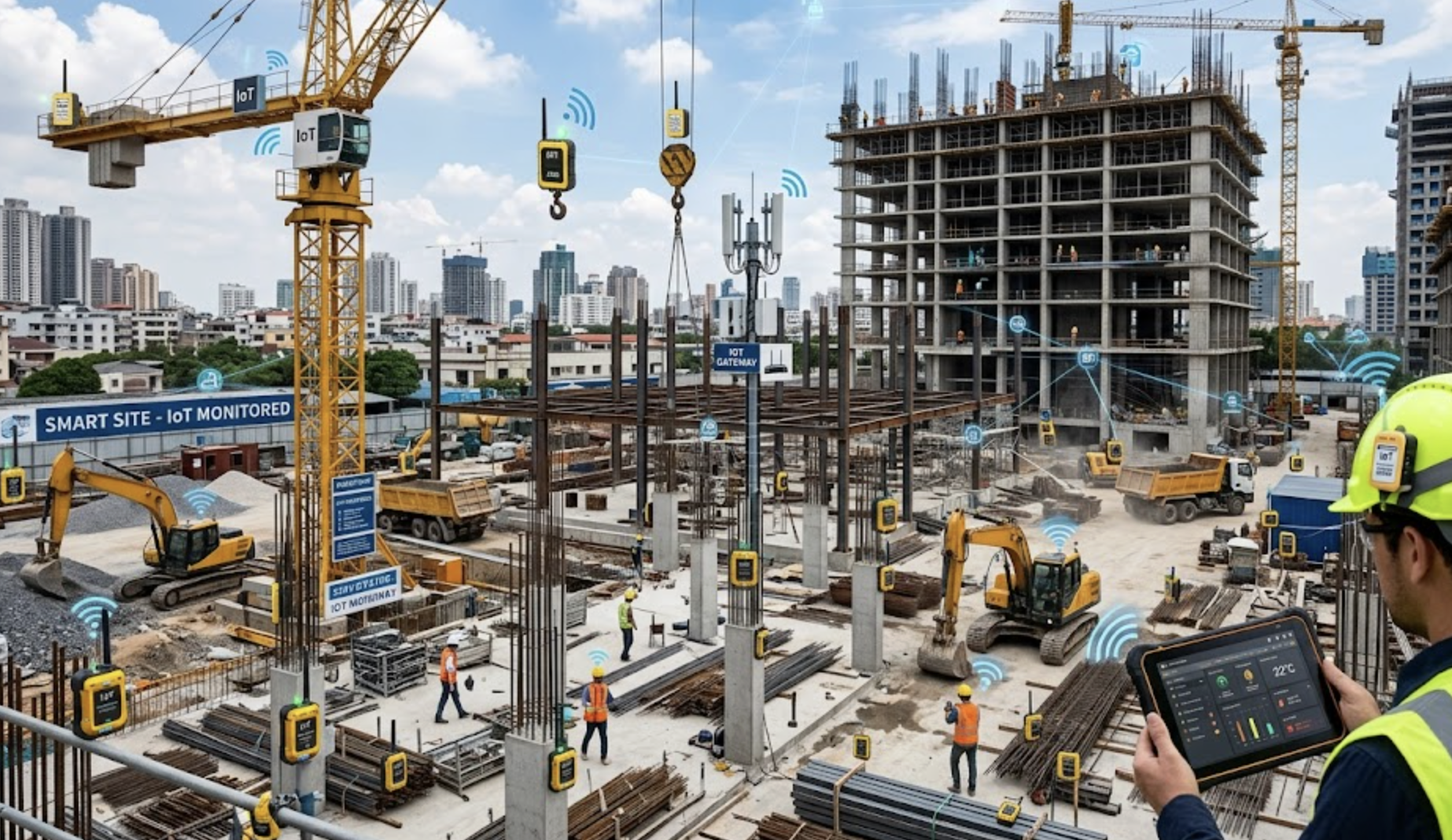
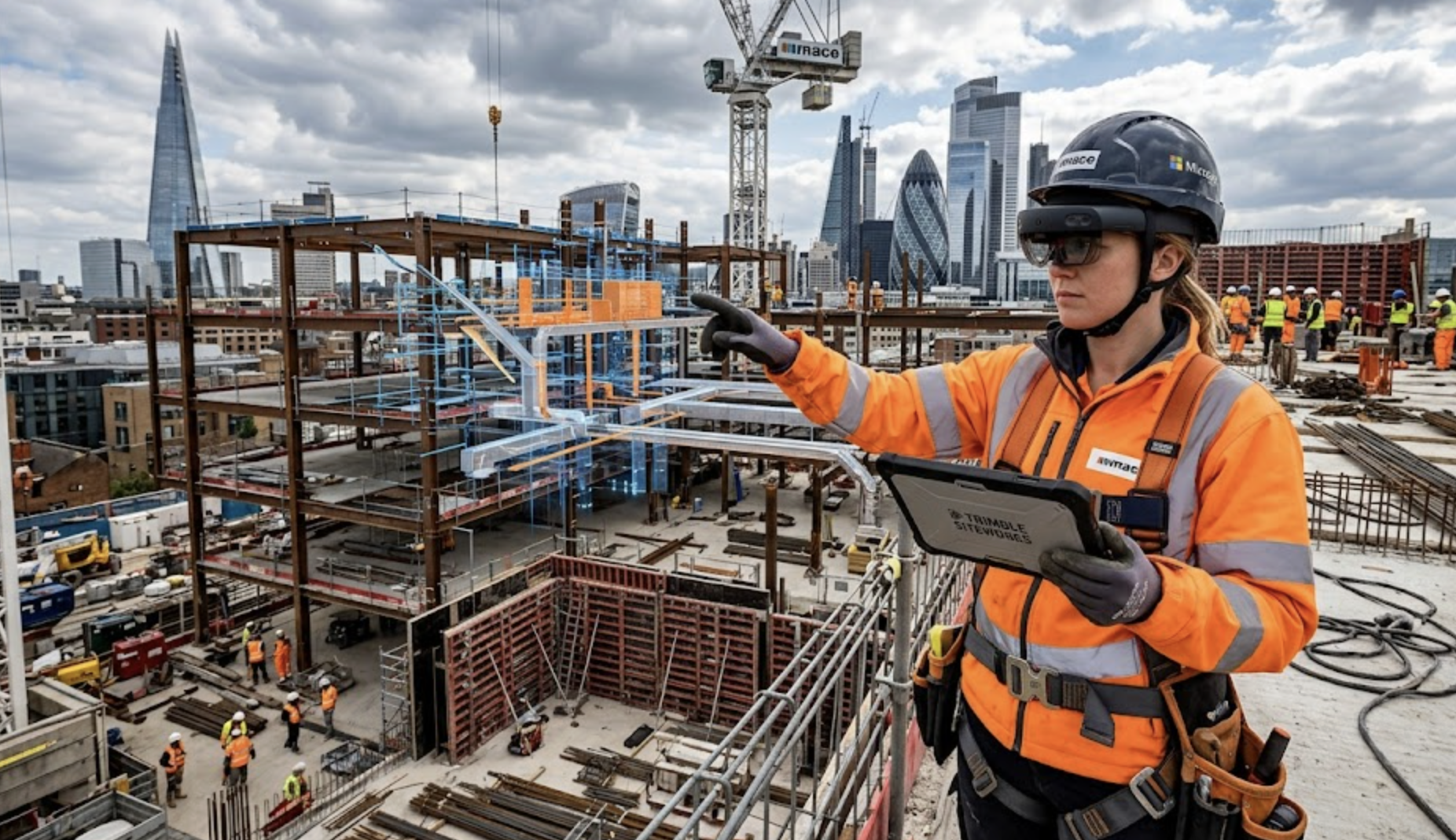
At the heart of the modern construction jobsite are smart jobsite management tools that go far beyond simple task tracking. Modules like Inspections and Snag List in Zepth Core enable teams to digitally document site inspections, identify quality issues, and assign immediate resolutions. On-site personnel use mobile devices and tablets to log findings and update defect statuses in real time—compressing process cycles and ensuring every stakeholder remains informed and accountable.
Consider Health, Safety, and Environment (HSE) compliance, another critical function supported by safety violation modules. With Zepth, AI can help flag patterns that indicate potential hazards, recommend improvements, and document incidents quickly. This level of oversight ensures that construction compliance software requirements are met while minimizing risks associated with manual reporting.
- Daily and Progress Reports: Zepth Core automates daily work progress capture, resource tracking, and site conditions logging, reducing paperwork and human error.
- Zepth360: Teams can share 360-degree views, photos, and videos, directly tied to the construction model for instant, visual updates—a leap forward for transparency and accountability.
- Non-Conformance Tracking: Deviations from specifications or quality standards trigger immediate notifications and workflow escalations, keeping standards enforced throughout the project.
- Site Instructions & Material Inspections: Directives and quality checks are issued, logged, and validated within a unified digital environment, removing ambiguity and ensuring auditability.
For those wondering, “What does site digital transformation mean for project teams?”—the answer lies in the day-to-day relief from paperwork, instant collaboration, and assurance that everything from labor allocation to safety mitigation operates on current, verified information. This is where the promise of AI construction automation becomes an onsite reality.
AI-Enhanced Document Management and Communication
Every construction project hinges on documents: submittals, RFIs, specifications, meeting minutes, and more. The risk of missing or outdated documentation can delay schedules, introduce errors, and threaten compliance. Zepth Core’s construction document management system establishes a common data environment for construction, ensuring all documents, revisions, and correspondence are securely organized and easily accessible.
With AI tools for construction like intelligent search and automated version control, teams cut through clutter and rely on a central source of truth. Construction submittal software in Zepth tracks reviews, approvals, and rejections—routing submittals to the appropriate reviewers based on customizable workflows. The RFI Management module expedites clarifications, while authority approval tracking ensures all regulatory submissions are logged and auditable.
Why is a central data environment vital for construction projects? A unified platform prevents miscommunications, lost documents, and costly delays that arise from fragmented or siloed workflows. With AI-powered document management software, every participant—from architects to site managers—gets what they need, when they need it, with complete traceability.
Financials and Risk: Predictive Management with Powerful Analytics
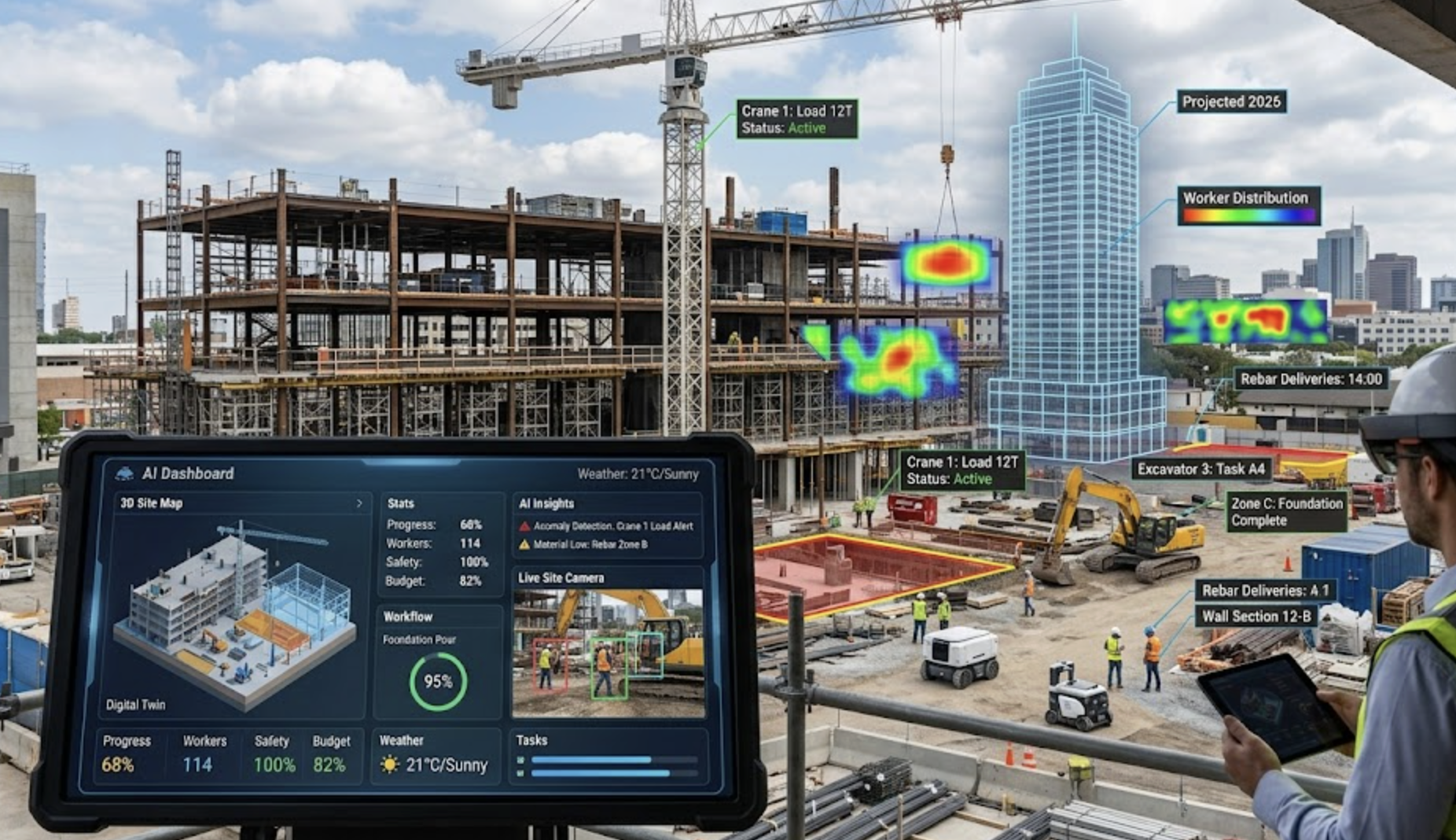
The uncertainty and complexity of construction finances often challenge traditional management systems. Here, construction financial management tools using AI shine, providing real-time dashboards that connect cost, contracts, and project progress. Zepth Core’s project cost control and construction cost control software provide automated budget tracking, flag variances, and help teams forecast expenditures accurately.
Risk management is another area transformed by AI. Zepth’s risk register module centralizes every identified risk, automatically classifies them using machine learning, and prompts teams with risk mitigation in construction. The associated mitigation plan workflow ensures that every threat—safety, financial, operational—has a living plan managed actively until resolved or averted.
Do project managers really need specialized risk management platforms? Yes, because with the velocity and value of data moving across modern construction sites, manual tracking becomes error-prone and slow. AI risk management in construction can spot hidden correlations, emerging patterns, and recommend proactive measures that humans might overlook, preserving both schedule and profitability.
AI Construction Platform: The Engine Behind Digital Transformation
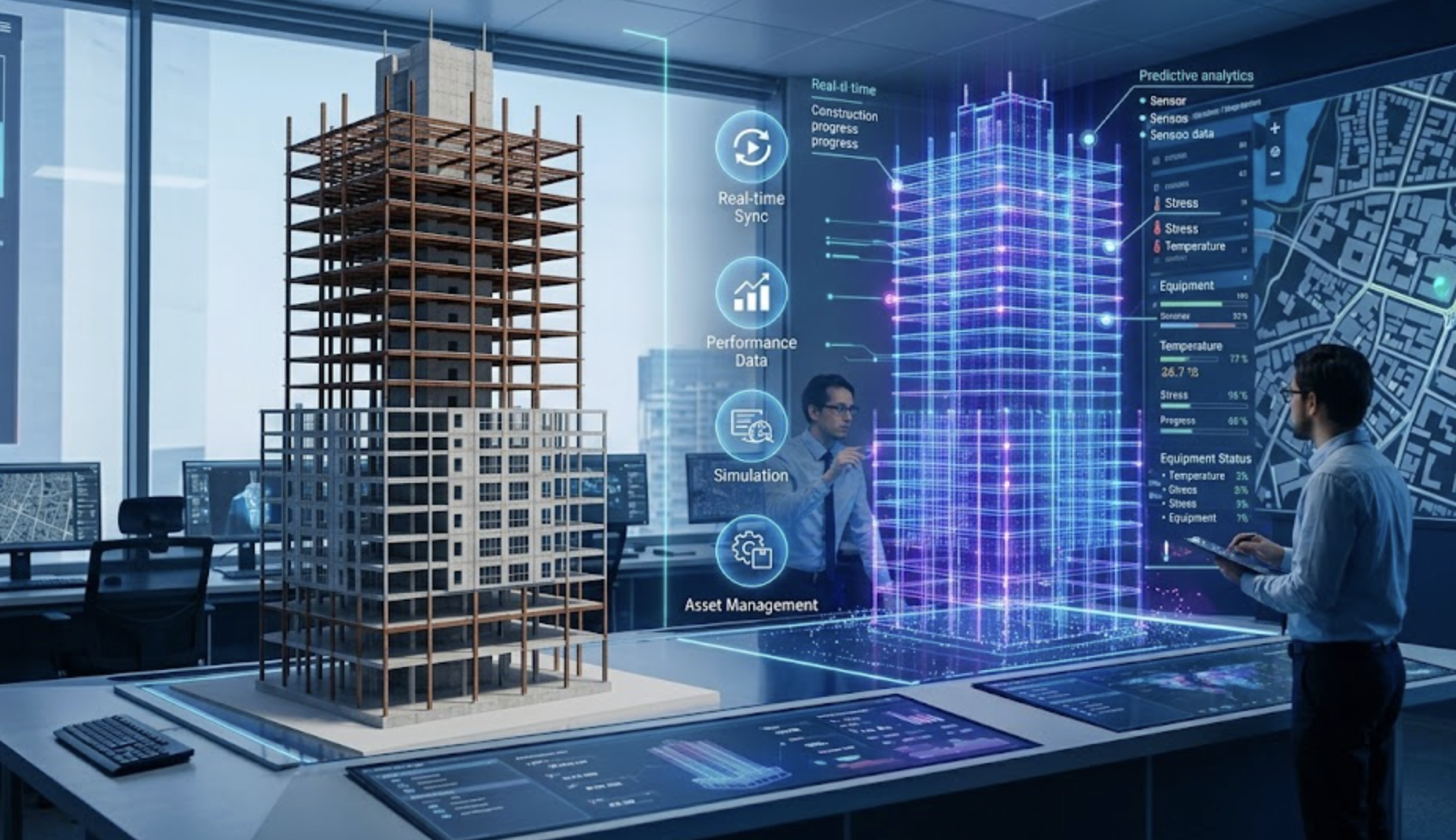
AI construction platforms like Zepth Core form the backbone of construction industry digital transformation. Leveraging BIM (Building Information Modeling) integration and supporting digital twins in construction, the platform orchestrates data, workflows, and analytics into one continuous, cloud-based environment. This not only powers immediate decision-making but also enables lifecycle management, predicting maintenance needs and streamlining operations long after handover.
Where does sustainability fit into AI-powered construction management? Sustainable construction management increasingly depends on integrated platforms to track resources, waste, and energy consumption in real time. By harnessing construction analytics and insights, teams not only comply with green standards but also build more efficiently—realizing both economic and environmental benefits. Zepth’s platforms make sustainability reporting and optimization an embedded, automated process, not an afterthought.
For those asking, “How do AI-driven construction management tools improve project forecasting?” the answer lies in real-time construction project data, predictive analytics, and the ability to model alternative scenarios rapidly. Whether adjusting to changing site conditions or optimizing materials orders, teams operate proactively rather than reactively, ensuring every project remains aligned with budget, schedule, and business goals.
Conclusion: The Future of AI-Driven Construction Project Management
The arrival of AI-powered project management heralds a new era for construction sites—one where inefficiencies are exposed and eliminated, risk is intelligently controlled, and information moves at the speed of need. Solutions like Zepth Core redefine not just how projects are managed, but how outcomes are achieved, paving the way for the next generation of built environments.
If you’re searching for ways to leverage construction tech innovation and put the best construction lifecycle management software into practice, exploring an integrated, AI-powered platform is the essential first step to staying ahead in a continually evolving marketplace.