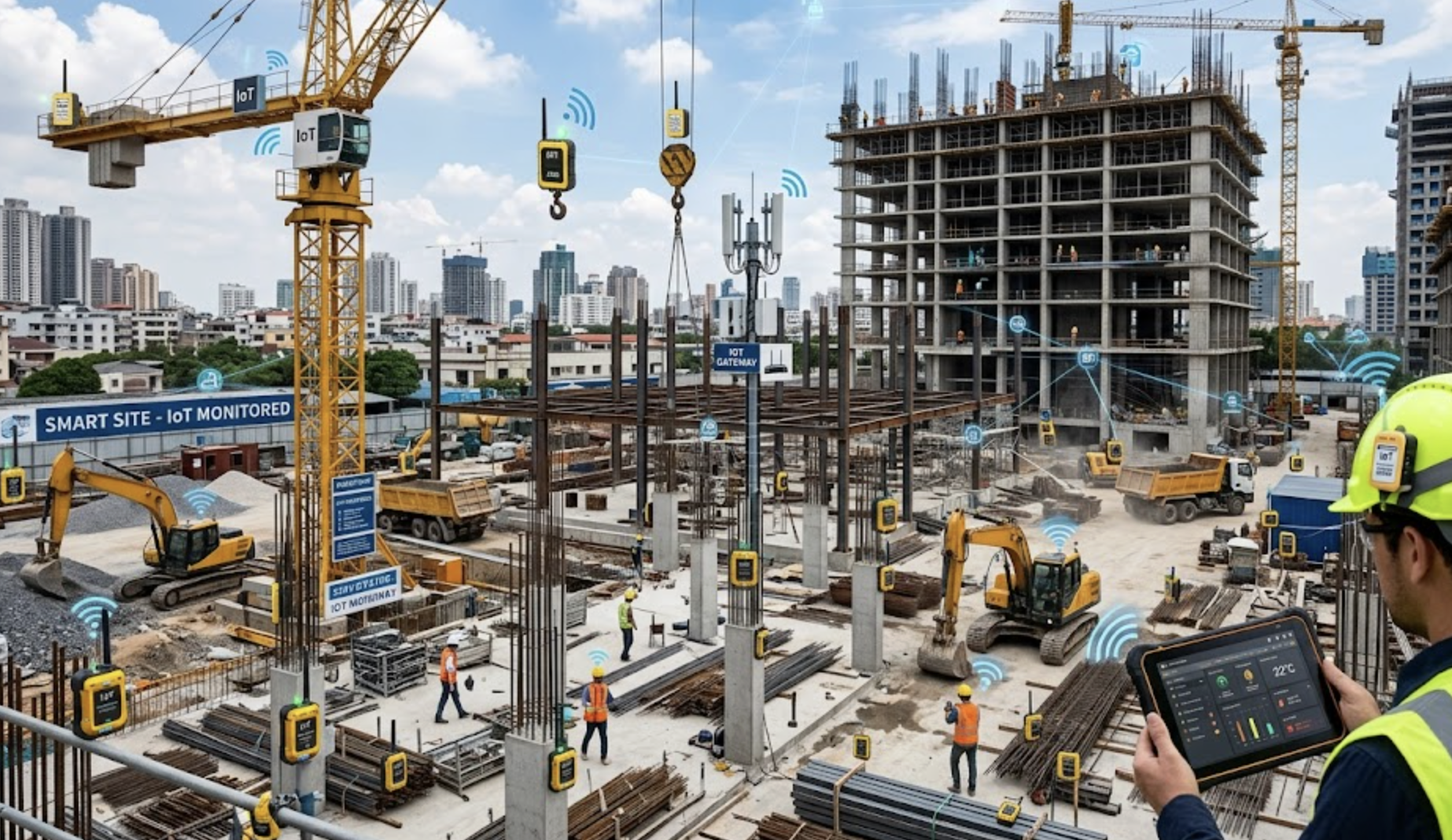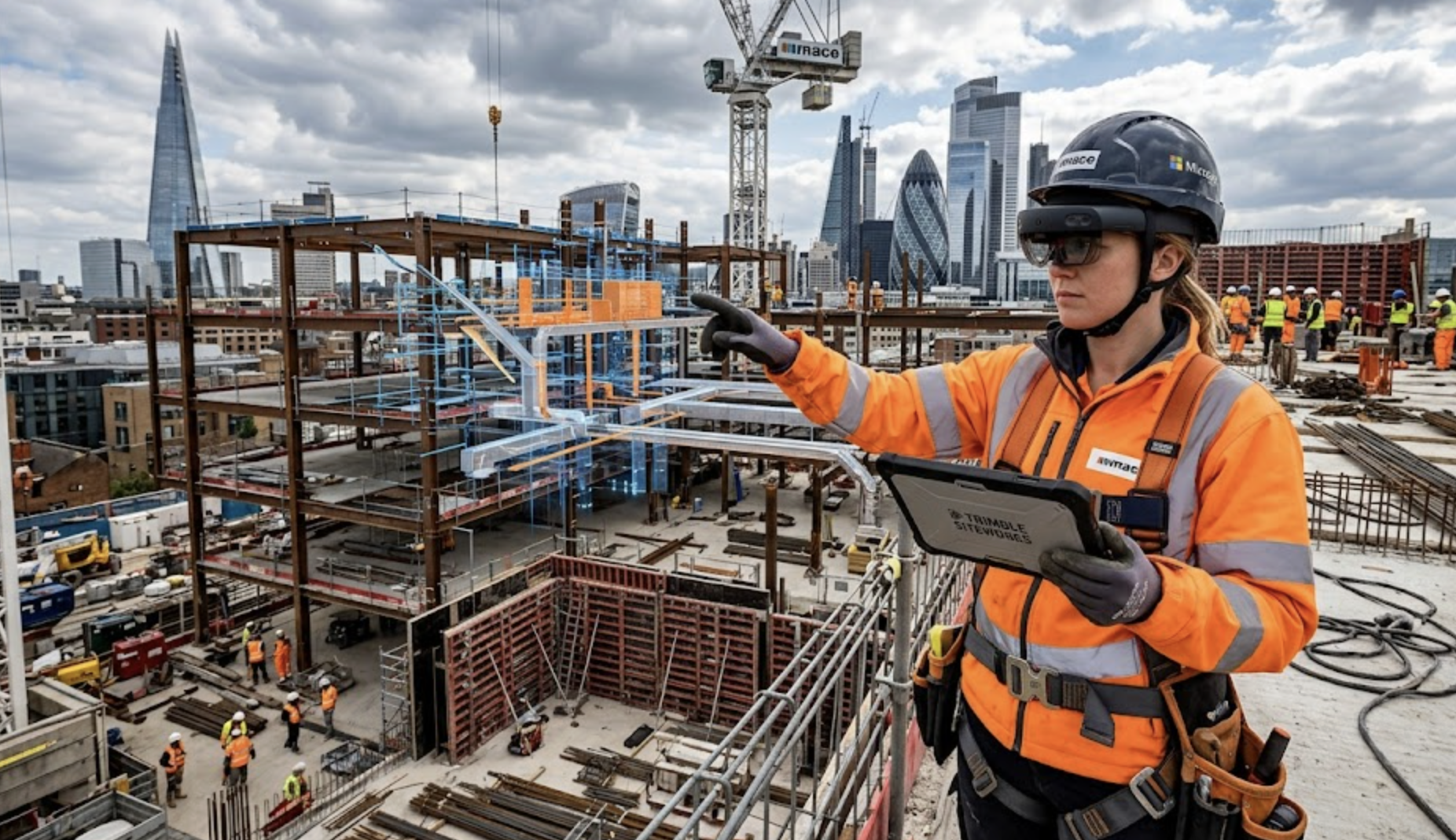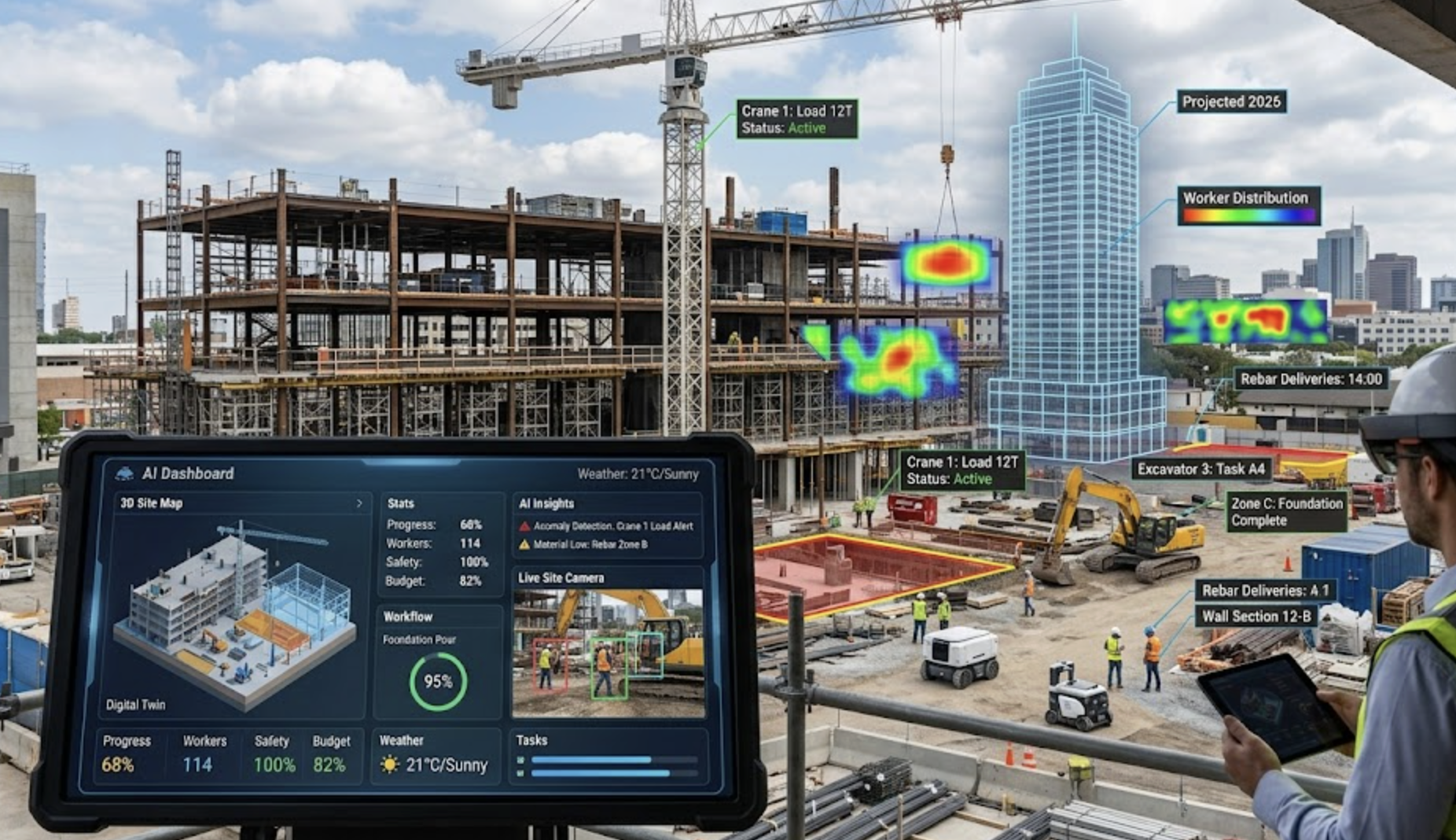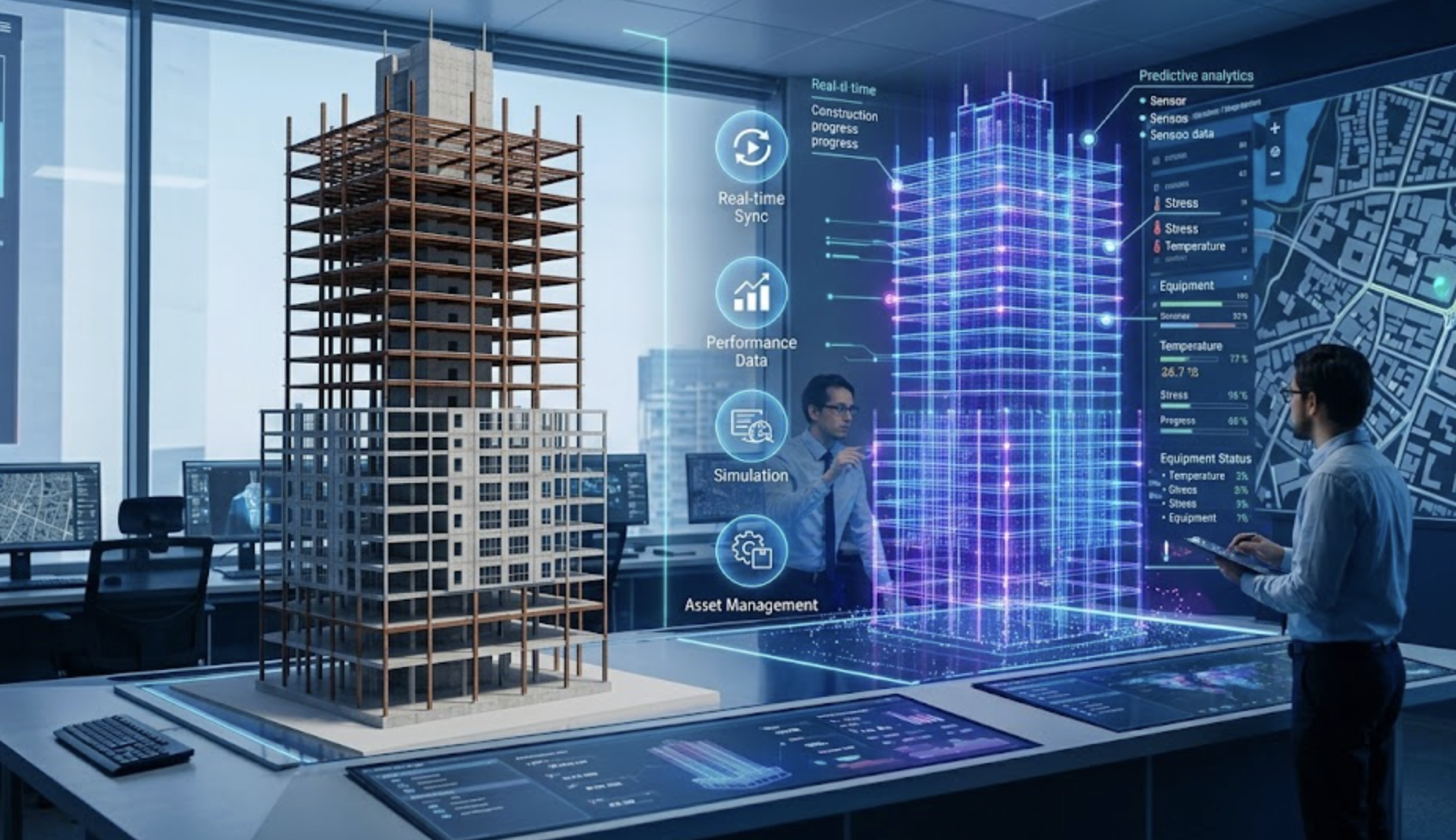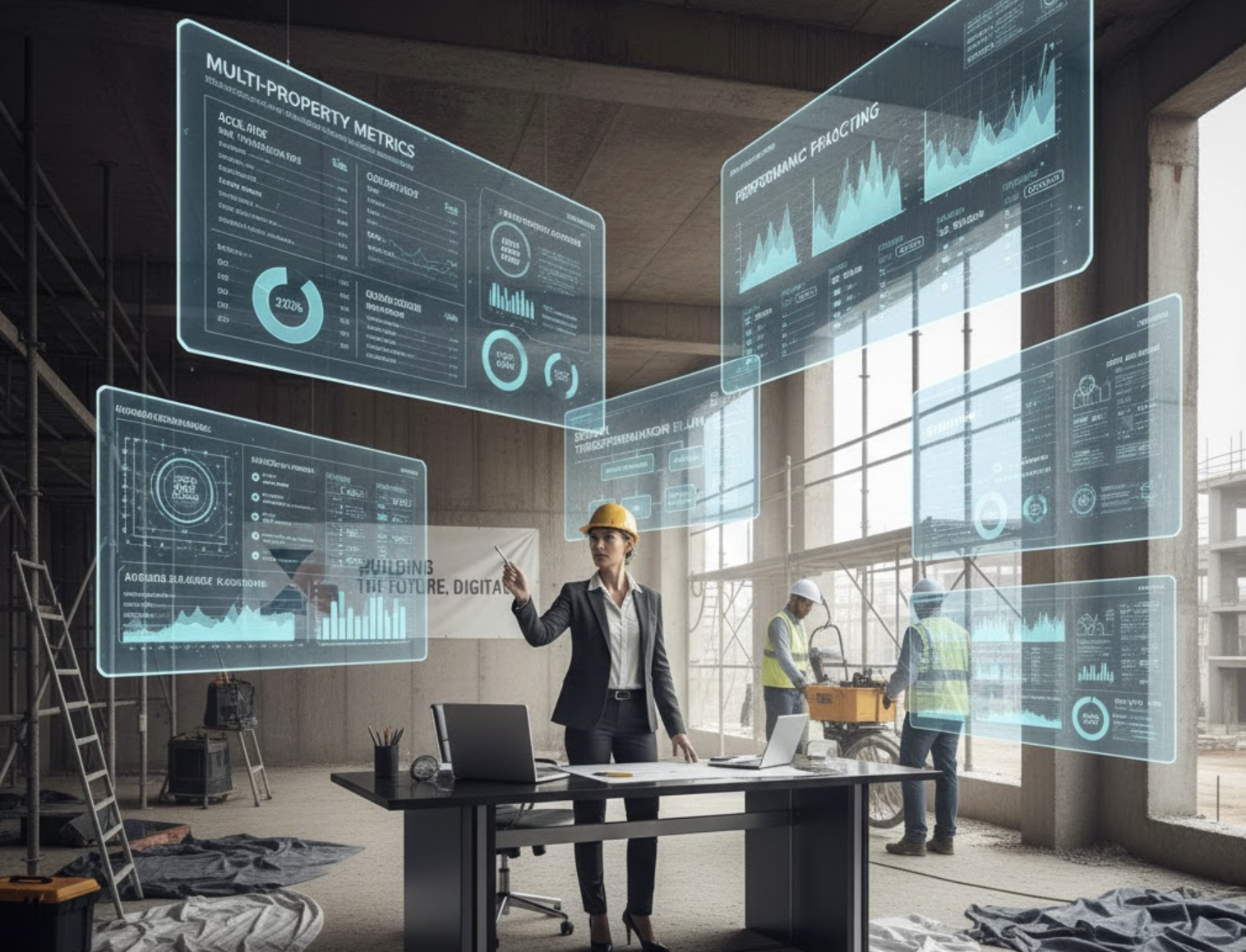

AI-powered hospitality management is revolutionizing how hotels, resorts, and hospitality players operate—a shift from the unpredictable world of intuition-driven decision-making to the transparency and speed of data-driven control. As complexity and volatility define today’s travel sector, smart hoteliers and property owners are finding that seamless integration of AI, analytics, and connected hotel management software is no longer just an advantage; it’s a necessity. This transformation is not only reshaping daily operations and guest experiences but also unlocking new pathways for profitability, sustainability, and competitive positioning across hotel portfolios.
Why the Shift: The Case for Leaving Gut Feel Behind
Traditional hospitality management relied heavily on experience and intuition—staffing, room rates, and F&B inventory were governed by personal judgment and disparate spreadsheets. Yet, hospitality faces relentless demand swings, labor shortages, and rising guest expectations for personalized, immediate service. In this context, legacy decision-making yields:
- Erratic financial and operational outcomes across properties
- Slow response to trends and unforeseen market shocks
- Persistent inefficiencies in energy, maintenance, and staffing
Industry analysis consistently highlights that AI in hospitality—from personalization engines to smart hotel budgeting and forecasting—unlocks significant incremental value. AI-driven hotel management solutions knit together insights from a multitude of sources (PMS, RMS, CRM, IoT, financial platforms) and allow for real-time, portfolio-wide optimization. For complex, asset-heavy projects like new hotel builds and renovations, AI readiness must also start at the design and construction stage, ensuring every square foot is optimized for future data-driven control—an approach strongly supported by the end-to-end workflow management seen in the Zepth Edge platform.
Key AI Technologies Transforming Hospitality Management
You might wonder: How is AI actually used in hotels today? The backbone is a mesh of machine learning, analytics, and automation platforms that turn fragmented data into predictive, actionable intelligence. Here are the core applications making real impact:
Predictive Analytics & Machine Learning
Machine learning models digest historical bookings, demand signals, weather, and guest feedback to forecast occupancy, resource needs, and even likely maintenance events. These capabilities empower managers with precision, speed, and consistency. In practice, hotels apply predictive analytics to:
- Forecast demand and fine-tune pricing—right down to room category or customer segment
- Align housekeeping and front-desk staffing with real-time and future need
- Optimize maintenance through condition and use-based predictions
Integration with platforms like Zepth Edge enables seamless use of these forecasting tools during construction and operational readiness, embedding asset lifecycle data and energy analytics directly into hotel design and delivery workflows.
AI-Powered Revenue Management & Dynamic Pricing
Modern hotel CAPEX control software leverages AI-powered hospitality management to automate and refine revenue strategies across all properties. Dynamic pricing models ingest booking pace, competitor rates, macro trends, and property-level data—working continuously to optimize room rates, discounts, and distribution channels. Instead of relying solely on revenue managers’ “gut feel,” hotels can now execute thousands of micro-adjustments daily, maximizing RevPAR and portfolio performance.
It’s common for hospitality analytics and insights platforms to drive 3–15% uplifts in top-line revenue—especially when every room and amenity is linked to central data streams. This is precisely what Zepth Edge’s Financial Overview and Budget Management modules offer, streamlining OPEX and CAPEX planning through AI-generated forecasts and strict control workflows.
AI-Driven Guest Personalization & Experience
One of the most exciting advances in hospitality is the rise of AI hotel automation platforms capable of hyper-personalizing the guest lifecycle. By unifying data from PMS, CRM, web channels, and even IoT sources, these systems deliver:
- Tailored offers and upsells before, during, and after the stay
- Smart room controls (lighting, temperature) and in-room digital concierge services
- Automated, guest-facing chatbots and voice assistants for seamless 24/7 interaction
Property developers who ask “How can AI improve a guest’s hotel experience?” will find real value in AI tools for hotels that inform space planning and IT provisioning at the construction stage itself. The Asset Register in Zepth Edge helps property owners ensure every room and amenity is mapped, tracked, and equipped to support these next-gen experiences.
Operational Optimization: Housekeeping, Labor & Service
Housekeeping and labor costs form a significant portion of hotel operational expenditure. AI-driven hotel OPEX management tools analyze guest flows, booking patterns, and even preferences, to create optimized cleaning schedules, staffing rosters, and service response protocols. Benefits are tangible: reduced overtime, less idle time, and higher staff satisfaction. The Operations and Service management module in Zepth Edge supports this automation by enabling efficient service request handling, guest experience tracking, and performance benchmarking across the portfolio. This ensures the property operates at peak efficiency from day one.
Predictive Maintenance & Smart Building Management
Another common question: What is predictive maintenance in hotels? Using networks of IoT sensors, AI-driven hotel asset management platforms continuously monitor HVAC, elevators, lighting, and kitchen equipment. They predict wear, preempt asset failures, and guide condition-based interventions, minimizing costly downtime (especially in high season). Modules like CAPEX Management, Asset Disposal, and MIS Reporting available in Zepth Edge allow for comprehensive lifecycle management, transparency in asset replacement, and the ability to make informed capital plans based on real data—not just age-based guesswork.
Critical Data Foundations: Integrating the Hotel Tech Stack
The promise of AI-powered hospitality management relies on one thing above all: high-quality, integrated data. Yet, many hotels find their hotel asset management platform sits siloed from their finance systems, PMS, CRM, and IoT feeds—hampering insight and agility. Building a unified data platform (or data lake), cleansing and standardizing records, and ensuring real-time access are all foundational. For this, cloud-based hospitality management systems offer the scale, speed, and interoperability needed to turn fragmented data into actionable insight.
Zepth’s approach—structuring data from construction design to as-built asset handover—ensures that the operational team inherits clean, AI-ready data, feeding asset lifecycle management and routine forecasting tools for long-term optimization. Compliance is essential, too: systems must align with GDPR, CCPA, and other data privacy rules, a standard feature in modern hotel compliance and audit software.
Real-World AI Applications in Hospitality Management
Applications of AI in hospitality are diverse, delivering both immediate and compounding returns. Some practical use cases include:
- AI-driven multi-property pricing, optimizing room rates based on market events and real-time competitor data, resulting in stronger RevPAR and better channel mix.
- Smart rooms using AI to learn and auto-adjust guest preferences—lighting, temperature, entertainment—boosting satisfaction and return stays.
- Predictive maintenance alerting engineering teams to potential failures before they cause disruptions, eliminating emergency repairs and guest complaints.
- Chatbots and automation platforms reducing routine staff interventions in service requests, enabling frontline teams to focus on high-value guest engagement.
- End-to-end project delivery and handover enabled by Zepth for new builds or phased renovations, making certain that every technology and asset is mapped, commissioned, and ready for AI-driven management.
For hoteliers asking, What are the benefits of AI-powered revenue management systems? The advantages are substantial: improved top-line performance, tighter cost control, and immediate, data-backed responses to market or guest shifts—factors that positively shift profitability and reputation across brands.
Best Practices for Implementing AI in Hospitality Management
To unlock the full potential of AI in hotel operations, asset owners and managers should follow key business and technical strategies:
1. Start with Clear Business Outcomes: Define metrics for success, whether it’s portfolio performance monitoring, guest review improvement, energy savings, or response times. Avoid deploying technology for its own sake—focus on measurable ROI.
2. Pilot and Scale: Roll out AI solutions in specific use cases or properties to validate assumptions, refine data requirements, and build organizational comfort before scaling to the entire portfolio. Use hospitality forecasting tools and data-driven hospitality management dashboards to track results.
3. Enable Cross-functional Collaboration: Involve IT, operations, finance, marketing, and guest services in the rollout to align every process and touchpoint with the overall hotel lifecycle optimization strategy.
4. Invest Early in Data Integration and Quality: Prioritize open APIs, middleware, and real-time analytics platforms. Monitor data hygiene actively—de-duplicate guest records, standardize room IDs, and audit booking sources to avoid model bias.
5. Build for AI Readiness in Design and Construction: By specifying requirements for IoT, smart infrastructure, and flexible space in design briefs, projects using Zepth Edge capture every smart asset and technology scope in specifications, submittals, and progress monitoring workflows. This ensures seamless transition from construction to “smart building” operations and AI-led operational intelligence in hotels.
Emerging Innovations: What’s Next in AI-Powered Hospitality
Looking forward, next-generation hospitality platforms will push boundaries in several exciting ways:
- Hyper-personalization: Real-time AI recommendations through mobile push, in-room devices, and context-aware offers—driving increased ancillary spend.
- Generative AI: Automated creation of personalized itineraries, service recommendations, and even real-time guest translation across languages and platforms.
- Digital Twins: Virtual replicas combining BIM, sensor data, and predictive analytics to allow scenario planning, maintenance optimization, and immersive staff training.
- Robotics: Automated room-service delivery and infrastructure designed for robot circulation, all coordinated with operational AI platforms.
- AI for ESG: Advanced tools for sustainable hotel management, optimizing utility consumption, tracking waste, and automating ESG and compliance reporting, ensuring properties meet the standards of next-gen travelers and investors.
Zepth Edge, by embedding coordination tools, asset lifecycle tracking, and structured data handover workflows from construction through operations, becomes a foundational piece for building and operating “AI-ready” hospitality assets.
The Zepth Advantage: Supporting AI-Driven Hospitality from Blueprint to Boutique
At the intersection of construction excellence and digital transformation in hospitality stands Zepth Edge—the hotel portfolio management system committed to elevating hotel assets into smart, profitable, and resilient operations. Some features that exemplify this intelligence edge include:
- CAPEX Efficiency: Achieve 30% savings through smarter forecasting and portfolio-wide budget control.
- Revenue Uplift: Unlock 10% growth using real-time, AI-generated insights for rapid, market-informed decision making.
- Portfolio Foresight: Unified dashboards reveal performance trends and opportunities across every property, asset, and team.
- Asset Reliability: Leverage 50% higher uptime and robust asset lifecycle management, minimizing unplanned downtime and maximizing asset value.
- Compliance and Audit: Transparent, trackable approvals, and financial control workflows ensure total traceability from initial investment through ongoing operations.
The suite of modules available on Zepth Edge—including Financial Overview, Occupancy & Utilization, Guest Segmentation, Service Quality, CAPEX/OPEX Management, Asset Register, and Operations and Service—ensures hoteliers gain a 360-degree command center for every asset and every decision. With its cloud-based property management architecture and AI-driven performance dashboards, Zepth Edge leads the way in next-generation hospitality platforms ready to drive digital transformation in the sector.
Final Thoughts: Building Hotels That Thrive on Data
The era of “managing by gut feel” in hospitality is rapidly fading. Leading hotels, resorts, and asset owners now compete through smart hotel management tools, AI-enabled analytics, and transparent, data-rich management platforms. By aligning design, construction, and asset handover with the highest standards for data quality and AI-readiness—enabled by solutions like Zepth Edge—owners and operators ensure every property is primed for sustained profitability, guest delight, and operational agility. The future of hospitality is here: seamlessly combining the human touch with the relentless precision of machine intelligence, where every insight turns into lasting competitive edge and sustainable growth.