
AI-driven decision-making is rapidly redefining what it means to operate and own hotels in today’s post-pandemic, fiercely competitive, and digitally connected hospitality environment. Hotel management software increasingly leverages artificial intelligence to help owners anticipate demand, control costs, and optimize guest experiences. But the big question remains: Are hotel owners truly ready to harness AI technologies for smarter, data-driven decisions?
Hospitality’s AI Inflection Point: Context and Drivers
The hospitality sector is no stranger to disruption. The aftermath of pandemic volatility, shifting guest behavior, and persistent cost pressures have pushed traditional operating models to their limit. Demand is now shaped by unpredictable travel rules, remote work, mixed business-leisure (“bleisure”) travel, and digital-first guest expectations. Historic forecasting models with static spreadsheets can no longer keep pace. In contrast, AI in hospitality offers a quantum leap, ingesting diverse data—from web searches and flight volumes to local events—in real time to provide more accurate forecasting and dynamic pricing.
At the same time, labor shortages and rising costs in housekeeping, energy, and procurement continue to squeeze margins. AI-powered hospitality management platforms pinpoint efficiency opportunities that manual processes miss, such as optimized staffing, smart inventory management, and data-driven pricing. The guest journey, once linear and generic, is now hyper-personalized by recommendation engines and AI chatbots. With scalable cloud solutions and mature hotel portfolio management systems available, the industry is now poised to embrace intelligent automation at scale—if owners are ready to move beyond the status quo.
What Does AI-Driven Decision-Making Look Like in Hotels?
AI-driven decision-making in hospitality describes the use of machine learning, predictive analytics, and automation across all major decisions within a hotel’s lifecycle. It ranges from supporting staff with actionable dashboards to semi-autonomous systems executing within defined parameters, or even fully autonomous operations under human supervision. Key domains include:
- Revenue & Commercial: Dynamic pricing, distribution mix, and promo strategies using hospitality analytics and insights.
- Operations: Workforce planning, maintenance scheduling, and room assignment automation.
- Guest Engagement: Real-time segmentation, personalized marketing, and loyalty management.
- Asset & Capex Management: AI-led lifecycle forecasting, renovation investment prioritization, and predictive maintenance.
Modern hotel financial management software and AI asset management software break down the traditional silos between finance, operations, and guest services. AI models learn from historical data and live signals to surface recommendations or trigger automation—always designed to keep the human in control, but with higher agility and insight.
How AI Is Already Transforming Hospitality Operations
AI’s impact is tangible in revenue management, operational efficiency, guest personalization, and asset optimization. In revenue management, industry studies have shown that AI-driven dynamic pricing solutions can deliver 3–15% RevPAR gains over manual approaches by digesting a range of signals such as competitor pricing and market events. Distribution strategies are sharpened via AI, ensuring the right channel mix for maximum net revenue, and sophisticated revenue management systems support data-driven group and corporate pricing decisions.
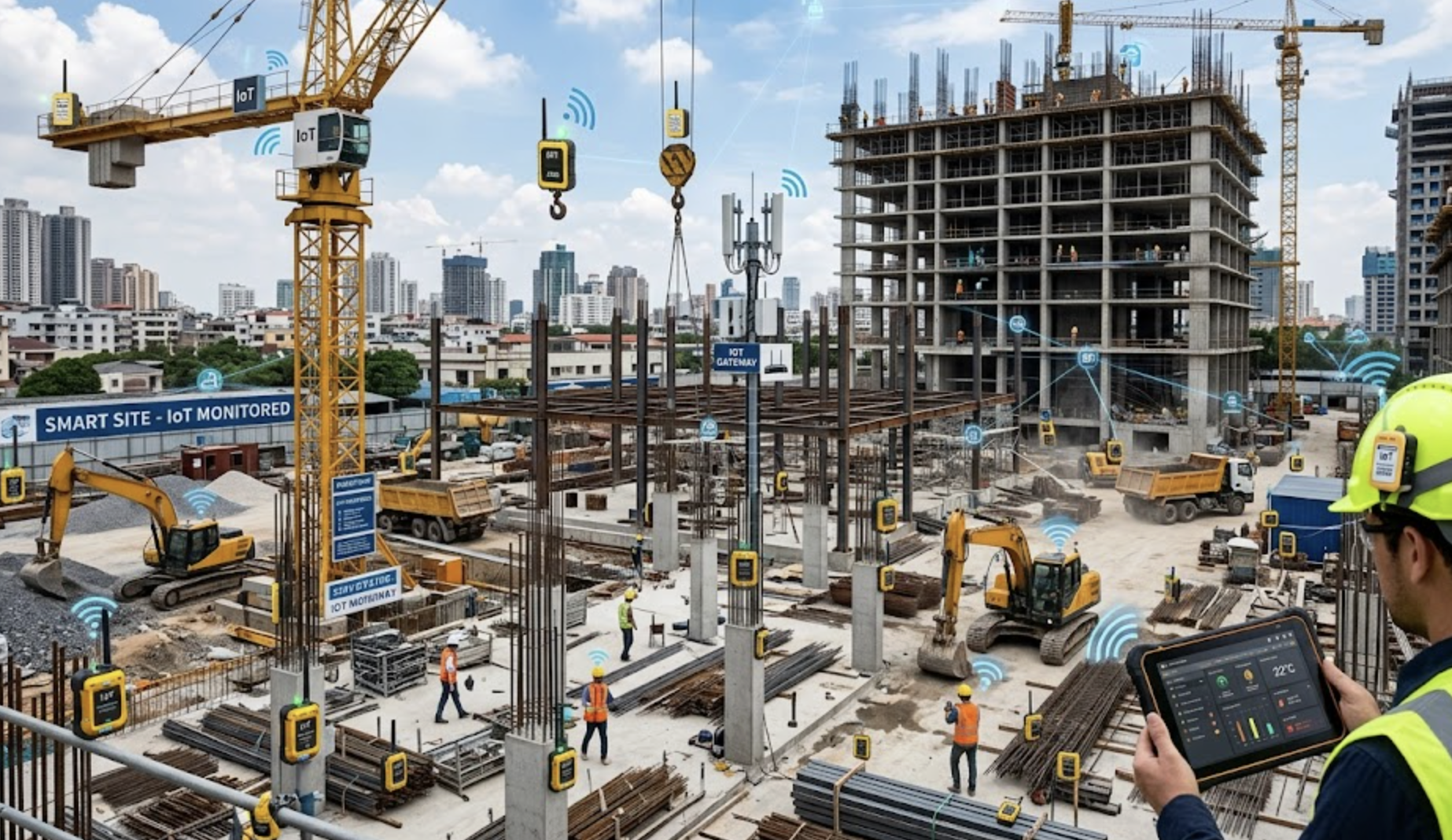
Operationally, AI forecasts occupancy and workload, which empowers smarter staffing and predictive scheduling—addressing both cost pressures and service quality. Algorithms optimize housekeeping routes, room readiness, and bespoke guest requests, often raising guest satisfaction scores and reducing negative reviews. AI-powered energy management systems harness IoT sensors, optimizing HVAC and lighting based on occupancy and real-time data, often yielding 10–30% energy savings in many properties. Predictive analytics extend to F&B inventory, forecasting demand to reduce waste and boost profitability.
On the guest-facing side, AI-powered segmentation and recommendation engines personalize upsells and loyalty journeys, enhancing ancillary spending. Natural-language chatbots and service bots streamline routine guest requests, freeing up human teams for high-value interactions while ensuring a 24/7 response footprint. Sentiment analysis tools automatically flag emerging service issues for corrective action—driving up online ratings. In asset management, predictive tools for capex and maintenance prioritize projects with the best ROI and keep properties in peak condition, supporting long-term asset value and guest satisfaction.
Adoption Realities: Are Hotel Owners Ready to Lead?
While many global brands have embedded AI-driven hotel management in their operations, adoption remains uneven. Independent hotels and smaller chains often remain tied to legacy tools, fragmented data systems, and a “gut-feel” approach. Yet, as competitors embrace AI hotel automation platform features, holding back can mean missed revenue opportunities and higher-than-necessary costs.
What are the main barriers? The most common obstacles include:
- Complexity: Owners worry about needing data scientists or specialized teams to manage AI tools.
- Data Silos: Isolated PMS, POS, CRM, and OTA data reduce model effectiveness and transparency.
- Trust and Culture: Skepticism persists about relinquishing decisions to “black box” systems, especially among seasoned GMs.
- Budget Concerns: Smaller operators question return on investment due to limited resources.
Yet, overcoming these challenges is possible. Many modern tools—such as the Zepth Edge hotel asset management platform—are “plug-and-play,” designed to lower the expertise barrier and centralize data flows. Owners do not necessarily need to become AI experts; success hinges on defining clear business goals, fostering a culture of experimentation, and deploying platforms where humans remain in the decision loop. For example, how do automated pricing tools impact guest satisfaction or loyalty? Platforms now allow owners to view recommended changes, see explanations for those changes, and approve or adjust AI-driven suggestions—merging computational power with experienced operator judgment.
For those asking, “What is the main benefit of adopting AI in hotel operations?” the answer is clear: improved profitability, better service, and measurable efficiency gains across the entire property lifecycle.
Best Practices: How Can Owners Make AI Work for Them?
For every hotelier contemplating a more data-driven, AI-augmented approach, several best practices ensure a successful transition:
Start with Measurable Business Outcomes: Whether your goal is a +5% RevPAR lift, a 15% cut in energy spend, or improved net promoter scores, set clear targets and pilot AI in focused use cases. Choose areas where data is robust and ROI is evident—often revenue management, energy optimization, or guest segmentation.
Centralize and Clean Your Data: Integrated, cloud-based hospitality management systems make it easier to break down data silos and standardize key information. Prioritize cleaning guest profiles, standardizing occupancy records, and ensuring all systems share a common language. Clean data maximizes the effectiveness of AI asset management software and portfolio performance monitoring.
Keep Humans in the Loop: The best AI hotel automation platform does not replace managerial prudence. Instead, it provides actionable intelligence—recommendations backed by transparent analysis, scenario ranges, and override options. Training teams to interpret AI recommendations and make context-aware decisions is key to building trust and extracting full value.
Pilot, Measure, and Scale: Start with one property or function, establish baseline KPIs (e.g., ADR, occupancy, energy usage per room), and compare results. Iterate based on feedback and outcomes, then scale across the portfolio as confidence rises.
Many owners wonder, “How can I tell if my hotel is ready for AI-driven management?” If your team can clearly define desired business outcomes and is open to structured experimentation—supported by cloud-based hotel operations management platforms—then you’re already on the path to success.
Innovations on the Horizon: Next-Generation AI Tools
Looking forward, several breakthrough trends are redefining the hotel technology landscape:
- Natural Language Decision Interfaces: Owners and managers can ask AI, “Why did profits dip last quarter?” or “What is the upside to increasing rates for weekends?” and instantly receive data-backed answers.
- Event-Driven Automation: Live changes in booking patterns, weather, or local events can trigger real-time reallocations in rates and staff rosters—delivering unprecedented agility.
- Cross-Domain Optimization: Sophisticated platforms now model trade-offs between revenue, guest experience, and operational risk for holistic decision-making.
- Digital Twins: Virtual hotel models simulate operational and guest experience scenarios, allowing owners to test strategies for expansion or renovation before making material investments.
As technology continues to evolve, a practical question arises: “Will AI replace hotel managers?” The answer is no—AI augments the manager’s role, enabling smarter decisions and freeing teams to spend more time on guest engagement, not less.
The Zepth Edge: Supporting AI-Driven Decisions from Development to Operation
While most AI discussions in hospitality center on operations, it is crucial not to overlook the early phases of asset development and construction. Zepth Edge provides an end-to-end, cloud-based hotel asset management platform that infuses AI intelligence at every project stage—from early feasibility studies through capex planning to daily operational excellence. Here’s how Zepth Edge sets the standard:
- Financial Overview and Budget Management: Real-time profit, revenue, and expense metrics, with AI-powered hotel CAPEX control software and hotel OPEX management tools for traceable, transparent financial governance.
- Occupancy & Utilization Metrics: Portfolio-wide benchmarking identifies underperforming areas and guides operational interventions.
- AI-Driven Asset Register: Centralized asset tracking streamlines lifecycle management from acquisition to disposal, with AI financial reporting platform features for compliance and audit.
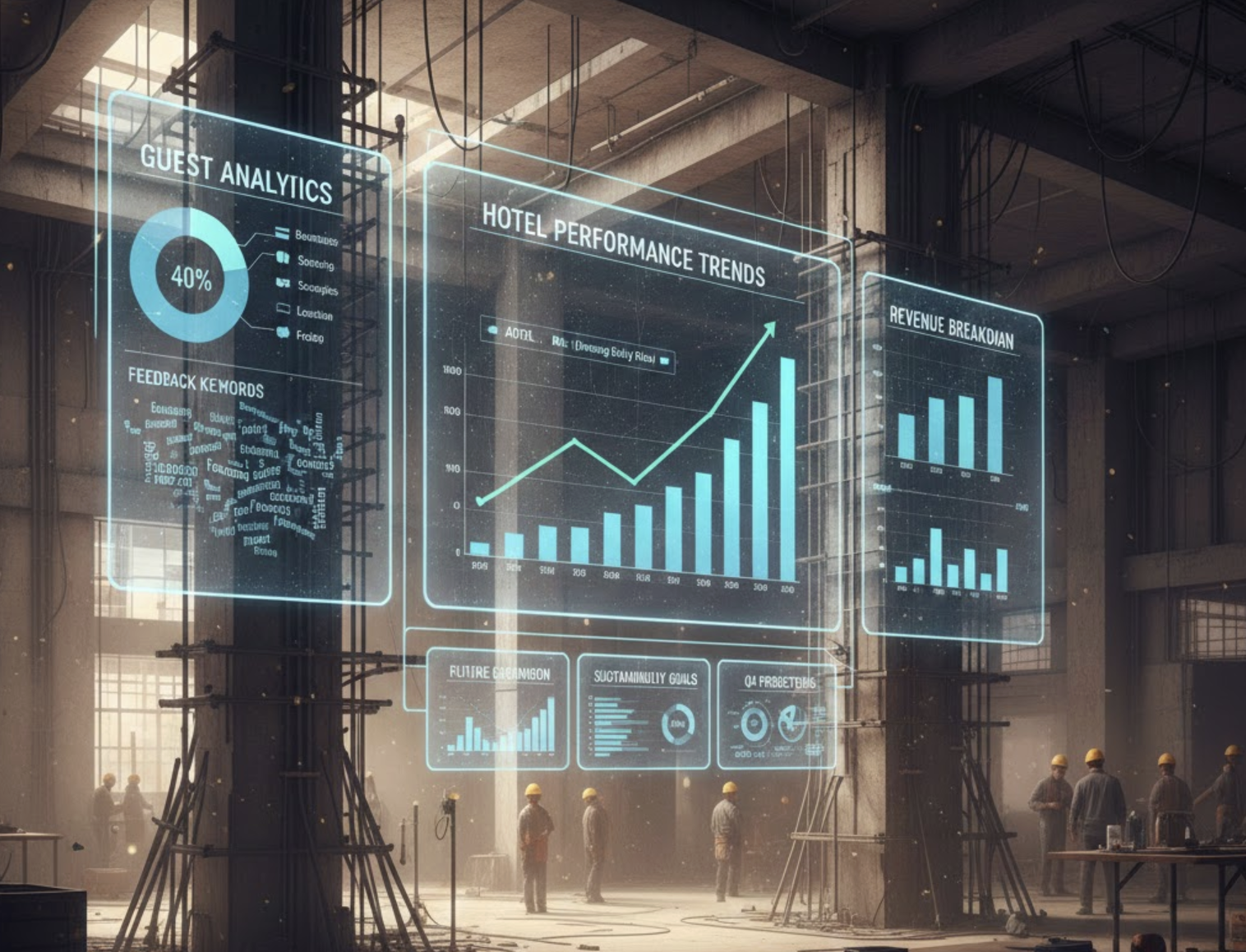
- Service Quality Analytics: Automated performance dashboards provide actionable insights on guest satisfaction, response times, and service quality, supporting continuous improvement.
- Integrated MIS Reporting: Real-time, cloud-based reporting gives owners comprehensive oversight and facilitates rapid, informed decisions—key to outpacing the competition.
Zepth empowers owners to transcend the traditional boundaries between construction, operations, asset management, and compliance. With structured data captured from the earliest capital decision, owners avoid future integration headaches and set themselves up to leverage advanced AI tools throughout the asset lifecycle. The platform’s transparency, collaboration, and intuitive design bridge the gap between data complexity and actionable business intelligence for hotels of any scale.
Are You Ready? Moving from Instinct to Intelligence
The hospitality industry has always required quick thinking, sharp instincts, and an eye for detail. But as the business of hotels grows ever more complex, those who pair professional intuition with the strategic intelligence provided by AI-driven management platforms will outperform. Readiness is less about hiring teams of data scientists, and more about defining outcomes, fostering experimentation, and choosing the right technology partners. Solutions like Zepth Edge make the benefits of data-driven, AI-powered hotel management accessible, measurable, and actionable—no expertise barrier required.
Modern hotel owners are at a crossroads. By embracing AI-led operational intelligence in hotels, adopting smart portfolio performance management, and prioritizing integrated, cloud-based hospitality management systems, the path to sustainable, profitable growth is clearer than ever.