
In the fast-paced world of modern construction, keeping everyone on the same page has always been a challenge. With paper plans, scattered files, and the ever-present threat of outdated information leading to costly mistakes, it’s no wonder that construction project management software is now a must-have. But legacy systems often create new pains—like too many folders, poor search capabilities, or lost document trails. Enter AI document management in construction: technology that closes these gaps, ensuring version confusion is consigned to the past. AI-driven construction management platforms like Zepth Core are raising standards for jobsite management, data integrity, and transparency across the entire construction lifecycle.
The Hazards of Document Chaos in Construction
Every construction project—whether a large commercial high-rise or a mid-sized residential building—relies on precision. Drawings, specifications, RFIs, submittals, and change orders are the bedrock of project execution. When versions diverge, even slightly, the results can spiral: rework, safety risks, compliance problems, and blown budgets. Many project managers ask, “How do you keep large teams consistently aligned on the latest documents?” It’s a foundational challenge for the industry.
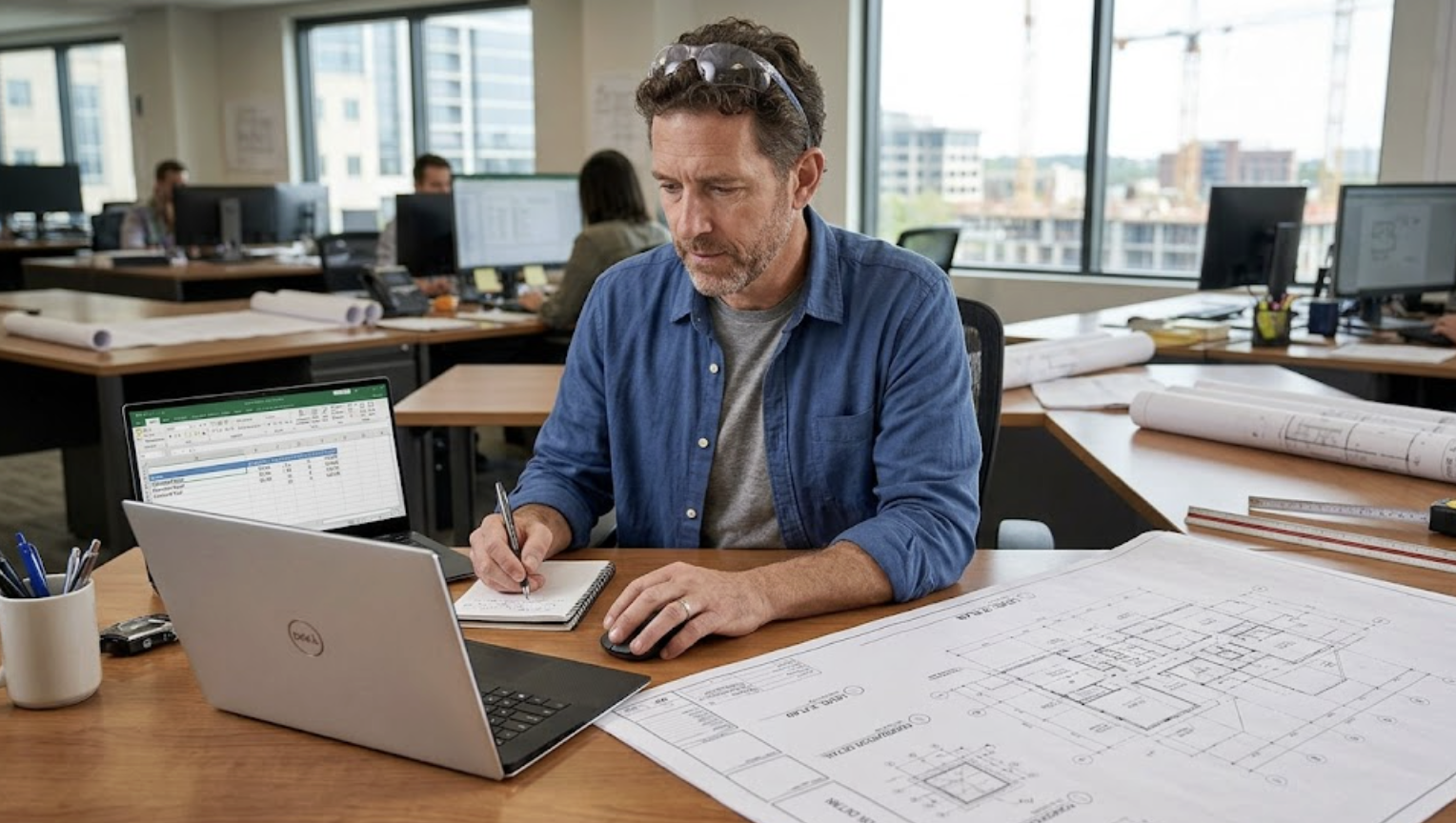
Historically, teams leaned on email attachments, shared drives, and personal checklists. This approach quickly unravels in the face of rapid design changes and busy, multi-stakeholder collaboration. The more complex the project, the more acute this problem becomes—especially if files are misnamed, emails missed, or the wrong drawing reaches the field team. This is why streamlined construction document management and a common data environment for construction have become central to digital strategy.
How AI Powers Smart Document Management
What does AI-powered project management look like in practical terms? It starts with the concept of a unified, cloud-based source of truth: all critical documents, communications, and metadata live in a central hub where permissions, workflows, and versioning are automated. With platforms like Zepth Core, here is how AI transforms document workflows:
- Automated Version Control: AI instantly tracks, tags, and links new versions to previous iterations, so everyone is always working with the latest files.
- Advanced Search: Smart algorithms index text, drawings, metadata, and even scanned content, making it easy to locate the right information within seconds.
- Smart Notifications: Team members receive proactive alerts when new documents are uploaded, changes are made, or approvals are required.
- Compliance Monitoring: AI can highlight missing submittals, overdue RFIs, or expired compliance documents, slashing the risk of non-conformance.
- Structured Collaboration: Integrated workflows let internal and external stakeholders route, review, and stamp documents digitally, reducing email traffic and manual tracking.
With AI figuring out the workflow patterns and enforcing business rules, project teams cut down on errors, eliminate duplicate work, and move approvals faster. Imagine a site engineer instantly pulling up the only-approved set of drawings from their mobile device, knowing it is indeed the latest—no more guesswork or sifting through five confusing versions.
The Zepth Core Advantage: Features that Eliminate Version Confusion
Zepth Core is building a new digital foundation for construction by rolling a wide array of modules into one enterprise ecosystem. Its AI document management software goes far beyond file storage. For example:
The Document Register balances powerful search with strong folder structures, linking project drawings, contracts, approvals, and correspondence. With Mail, every related thread and submittal is traceable, so communication stays tightly integrated with documentation. The Submittals feature manages review cycles, tracks status, and ensures only authorized documents progress, eliminating bottlenecks. RFI Management offers seamless creation, routing, and closure of requests for information—teams can log, review, and resolve queries without leaving the platform.
Key workflows, from Authority Approval to Minutes of Meeting and Task Management, all draw from a single, AI-enhanced data environment. This ensures there’s never doubt about who did what, when, or which version is final. And as part of a broader suite, Zepth Core connects document management to Jobsite Management modules—like Inspections, Snag Lists, HSE Compliance, and Non-Conformance—creating a feedback loop that keeps the entire jobsite informed and ready to act.
Reducing Risk, Driving Productivity, and Enabling Insight
With robust AI and automation, Zepth’s approach addresses two of today’s biggest construction challenges: construction risk management and transparent construction financial management tools. Version confusion is a leading cause of costly mistakes—when resolved, projects see improved margins, faster timelines, and a safer workforce. Zepth Core’s document audit trails also support regulatory construction compliance software, providing confidence for contractors and owners during handover or dispute resolution.
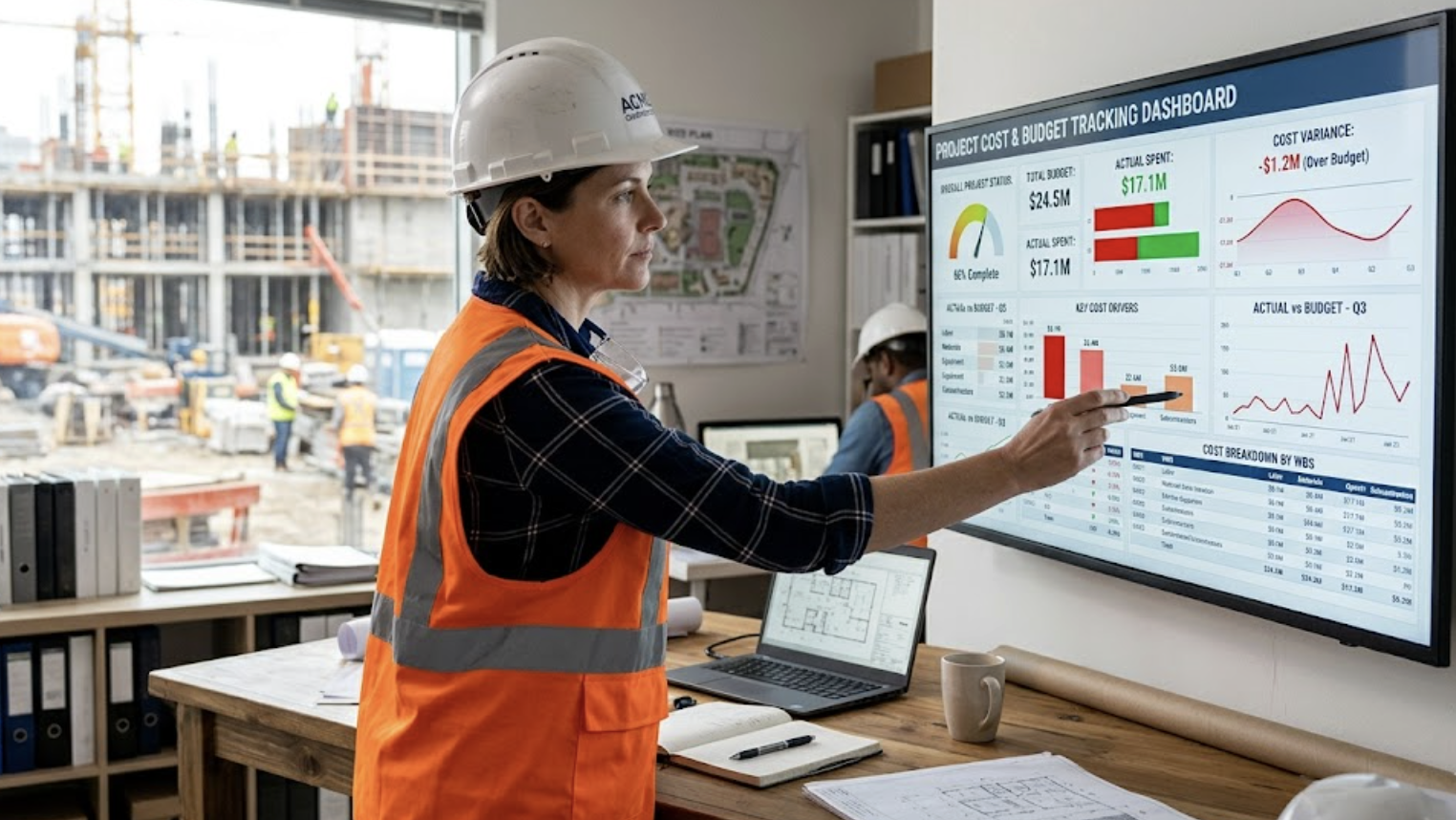
What are the benefits of cloud-based construction management for rapidly growing teams? In addition to real-time access, the cloud ensures every stakeholder—from the field to the boardroom—views the same data, supporting stronger decisions. Zepth leverages construction analytics and insights, turning daily project data into dashboards that spot trends, flag risks, and uncover process inefficiencies. This empowers leaders to refine cost controls, forecast with greater accuracy, and improve construction lifecycle management software strategies.
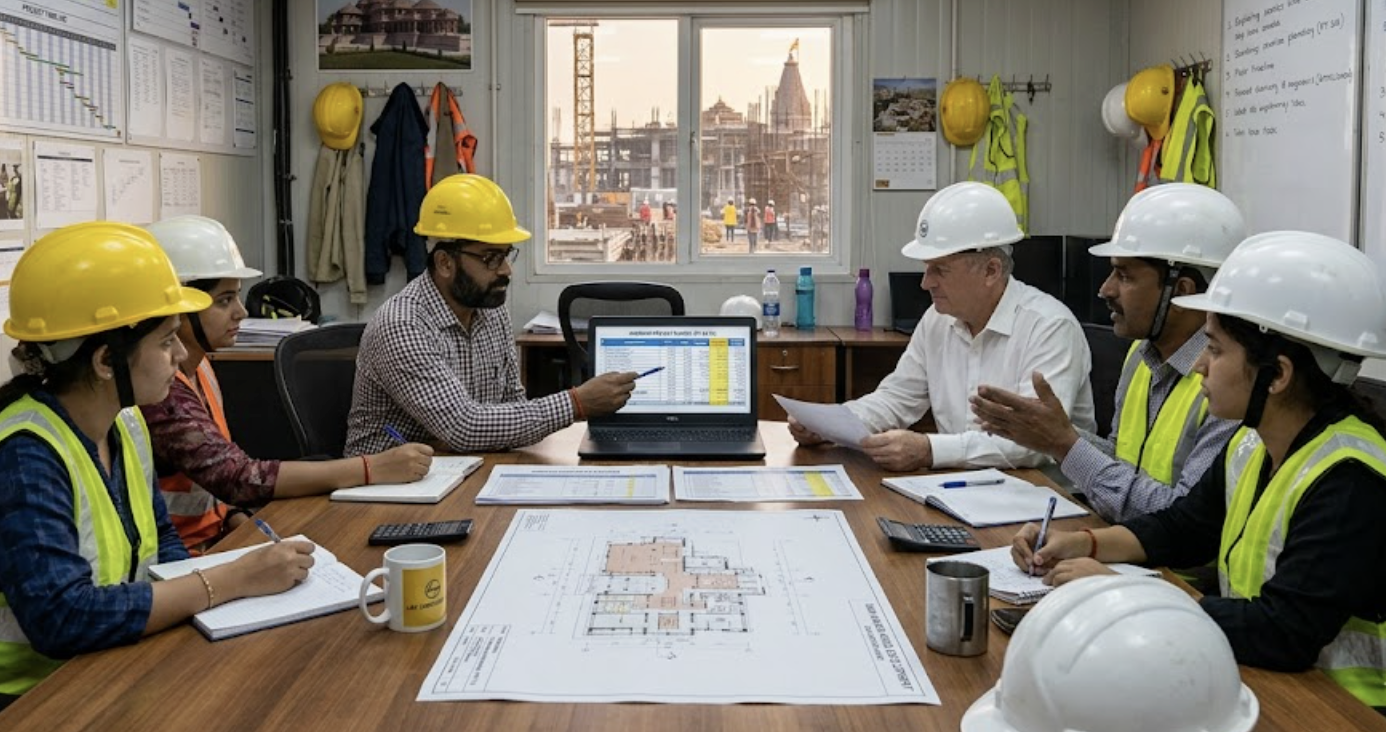
If you wonder, “How can construction teams streamline communication and reduce delays?” the answer is tight integration: with Zepth’s digital workflows, meeting minutes, alerts, approvals, and follow-up actions are all tracked in a single interface, eliminating lost paperwork and miscommunication that cause so much frustration in traditional builds.
Integrations, Digital Innovation, and the Future of Document Control
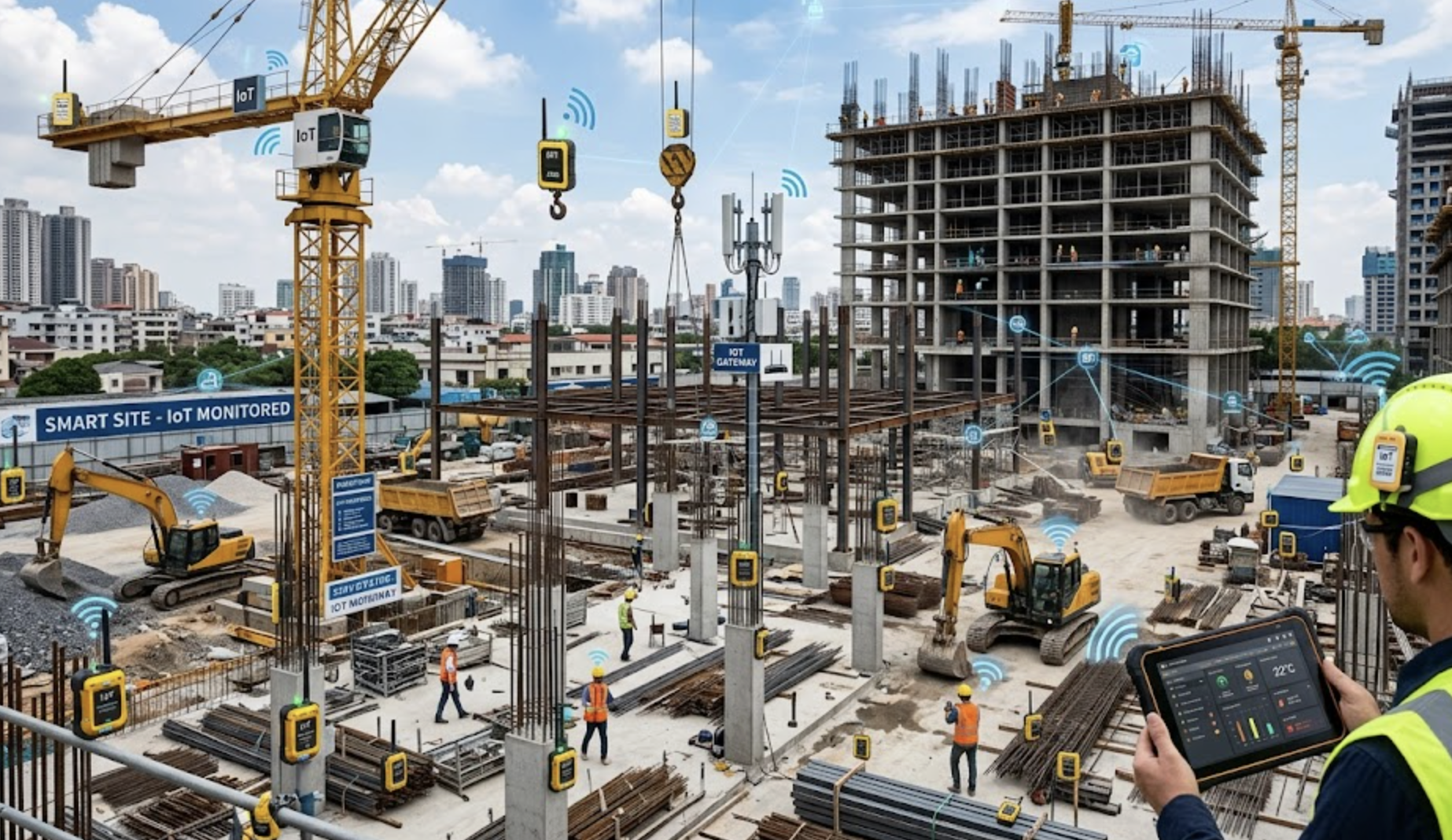
Innovation in construction tech isn’t only for megaprojects. Even small and mid-sized contractors benefit from AI construction automation and digital transformation. Zepth Core’s architecture supports popular trends such as BIM (Building Information Modeling) integration and digital twins in construction. By linking documents to 3D models and visual records, stakeholders get a true “single source of truth,” accessible anywhere, anytime.
AI tools for construction no longer require a dedicated IT department to configure or manage—they work out of the box, rapidly scaling as projects grow more complex. As construction embraces APIs and open standards, Zepth’s cloud-based construction management platform ensures future-proof compatibility with existing investments. This not only removes version confusion but also positions organizations for the next wave of construction tech innovation.
What role does AI play in construction project tracking software? AI can monitor status changes, auto-assign follow-ups, and sync insights with schedules or financials. With the lines between risk management, document control, and field operations blurring, unified, AI-driven solutions are setting new benchmarks for collaboration and jobsite management tools.
Towards a Sustainable, Transparent, and Compliant Built World
Sustainable construction management increasingly demands end-to-end transparency. Audits, green certifications, and lifecycle tracking all depend on accurate records and verifiable workflows. Zepth Core pairs robust construction cost control software and risk mitigation tools with secure, accessible documentation. This commitment to clarity not only prevents costly errors today but also unlocks long-term asset value for tomorrow.
Ultimately, the journey from paper chaos to digital confidence marks a turning point for the industry. By embracing AI document management in construction, companies can move faster, collaborate better, and accelerate digital transformation across every phase of the build. The result? A future where version confusion is obsolete, compliance is automatic, and everyone—owners, contractors, and designers—focuses on building smarter, safer, and more resilient spaces.