
For modern site teams, construction project management software is replacing time-consuming paperwork with a smarter digital approach. AI construction automation is rapidly reshaping jobsite processes, lifting admin burdens, and letting skilled teams focus on what matters: building, not bureaucracy. With a platform like Zepth Core, combining cutting-edge AI tools for construction and a seamless common data environment for construction, site teams transform routine tasks from a series of manual chores into one continuous, automated workflow.
Why Administrative Burdens Have Grown – and How Automation Helps
Construction complexity is growing. Regulations tighten, schedules compress, and project data multiplies. Field teams often face mountains of paperwork – from daily reports and submittals to safety compliance, RFIs, and tracking non-conformance. Manually updating logs, circulating forms, and chasing signatures can swallow up hours each week. Not only does this slow progress, but it also introduces risk: data entry errors, lost documents, and missed deadlines threaten project delivery and compliance.
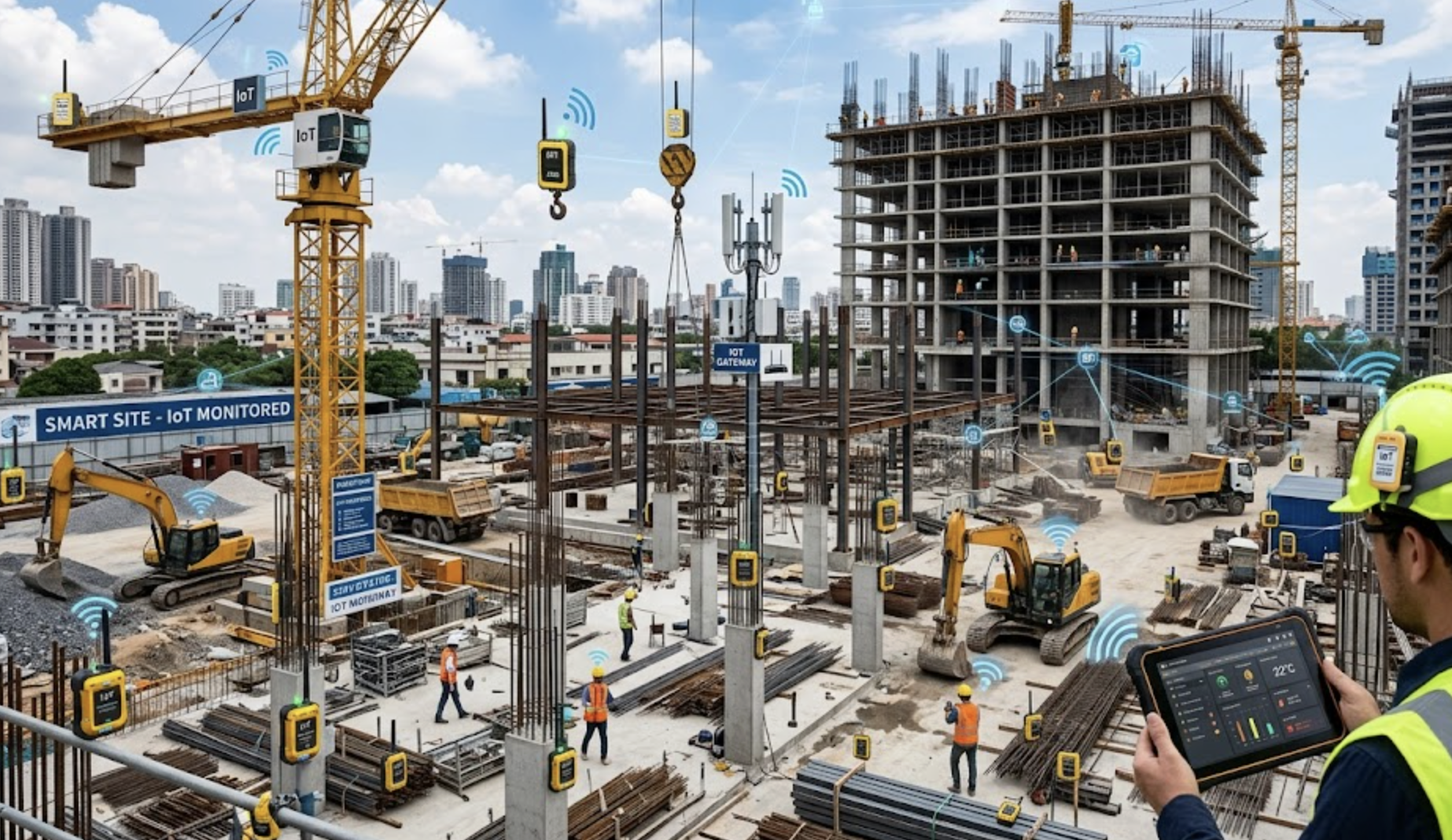
Here, AI-powered project management and construction automation step in. Automation engines process repetitive admin tasks, trigger workflows based on real-time events, and extract insights from vast stores of project data. Instead of filling spreadsheets, site teams capture work through mobile forms or smart sensors, and the system handles the rest. For example, platforms like Zepth Core offer:
- Automated progress reporting that syncs site inputs into actionable dashboards and structured narratives
- Instant document version control, so teams always access current drawings and specs
- AI document management software that tags, files, and routes submittals and RFIs to the right reviewers
- Jobsite management tools that assign, track, and escalate tasks automatically
- AI risk management in construction that identifies trends and proposes mitigation before problems escalate
A common question site supervisors ask is: “How does AI actually reduce my paperwork?” AI predicts required documentation, pre-populates fields with relevant project data, routes documents for approval, and notifies team members of critical actions or missing information. By eliminating redundant manual input and automating compliance checks, a significant portion of daily admin work disappears.
Zepth Core: Features That Lighten the Load
Consider the Zepth Core suite, purpose-built for efficient, AI-driven construction management. Its jobsite management modules automate tasks across daily workflows. For example, the Daily Reports module lets field engineers log progress on mobile devices, with AI summarizing entries for supervisors and leaders. Inspections and snag lists use smart forms and voice-to-text input, automatically assigning follow-ups and monitoring status in real time.
Another pain point is managing site incidents. Zepth’s Incident Reporting module standardizes how site teams record HSE violations. AI bots can flag recurring issues, helping safety managers target root causes and prevent repeat offenses. The Non-Conformance and Material Inspection modules let users tag, categorize, and immediately distribute findings or rejections. These modules all feed structured data into Zepth’s analytics engine, equipping project managers with real-time information for better decision-making.
If you’re wondering, “Can AI construction platform solutions help track regulatory compliance?” the answer is a resounding yes. Automated HSE Compliance and safety violation reporting modules ensure checks aren’t skipped and standards are tracked, audited, and reported with zero manual guesswork.
Automating Construction Document Management: Smarter, Faster, More Reliable
Few aspects of construction generate more paperwork than document workflows: plans, submittals, RFIs, and approvals flood project inboxes daily. Traditional filing methods lead to version confusion, information silos, and, too often, costly rework. By leveraging AI document management software and automating document lifecycles, Zepth Core transforms project information into a living, trusted knowledge base. Its core features include:
- A dynamic Document Register for single-source-of-truth access and robust version control
- Automated routing and approval of submittals, RFIs, and transmittals – complete with audit trails
- Integrated search for specifications, drawings, and contracts – powered by AI for contextual accuracy
- Authority approval logs to streamline regulatory sign-off
- Traceable meeting minutes, mail, and communications for total project transparency
When teams ask, “What are the benefits of cloud-based construction management for document workflows?” reliability and access top the list. With cloud-based, AI-automated systems, everyone works off a single, secure environment, with full visibility from the office, field, or even a mobile device. No more hunting for lost paperwork, risking out-of-date information, or duplicating efforts.
Financial Control and Risk Mitigation with AI Construction Automation
As projects scale, the stakes of missed costs or overlooked risks only grow. Traditional manual cost tracking and risk registers are error-prone and quickly outpaced by real-world complexity. Zepth Core addresses this challenge with its tightly integrated Project Cost Control and risk management suite.
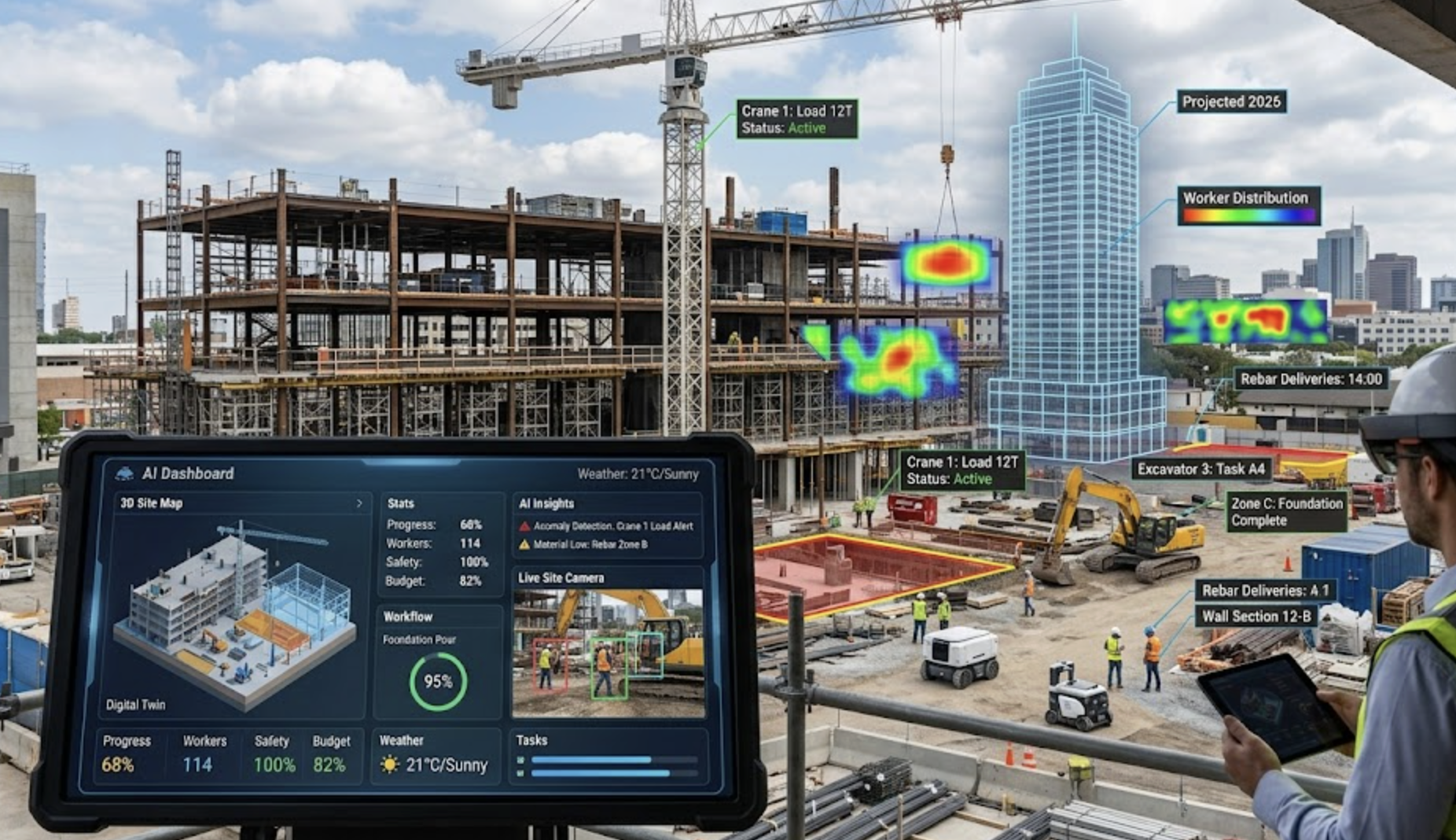
AI-driven construction management tools in Zepth monitor project spend in real time, flag anomalies, and forecast overruns using predictive analytics. These construction financial management tools link with document and progress data, so financial status always reflects actual site activity and procurement milestones. The Risk Register and Mitigation Plans modules use AI to log, classify, and prioritize project risks, automating status updates and triggering alerts when exposures shift.
Many project leads ask, “How can construction risk management be improved with digital tools?” The key is continuous monitoring and scenario-based forecasting. Zepth’s AI tracks risk signals across workflows—incidents, cost swings, delayed submittals—and provides actionable mitigation recommendations. This ensures teams proactively address issues, not just record them.
Financial compliance is another major admin burden. Automated budgeting and cost control in Zepth reduce manual ledger entries and spreadsheets, flag out-of-tolerance costs instantly, and provide management with always-current forecasting dashboards. The system becomes your project’s integrity backstop, supporting statutory compliance and reducing risk all at once.
The Future of Construction: Digital Transformation and AI-Powered Insights
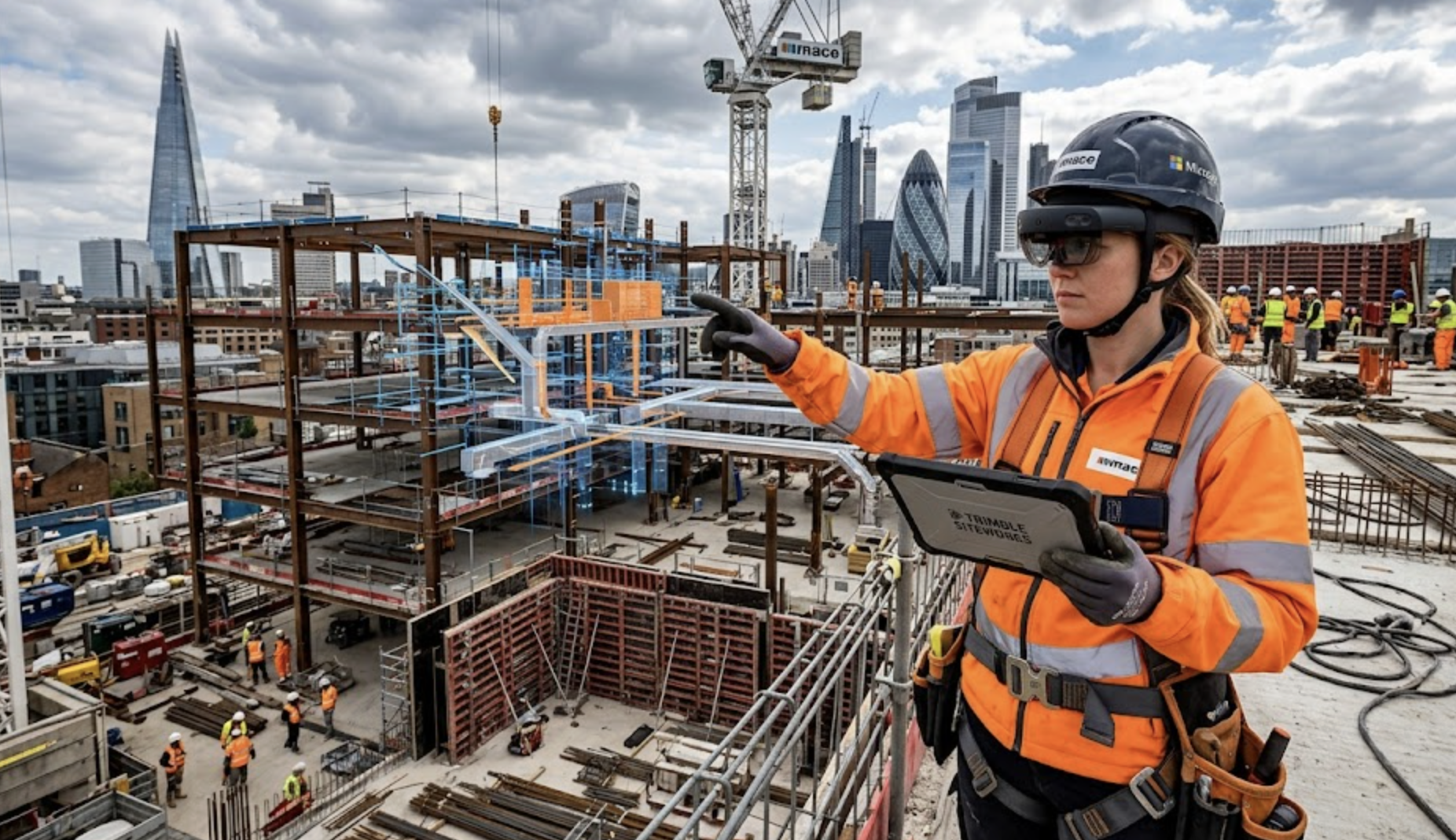
The digital revolution in construction isn’t just about efficiency; it’s about transforming how teams collaborate, track progress, and deliver value. With Zepth Core as a construction analytics and insights engine, site managers get instant access to project health snapshots, schedule alignment, and labor/resource productivity. Automated progress reporting, with visual tools like Zepth360, allows stakeholders to experience real-time updates through linked photos, videos, and 360-degree walkthroughs—seamlessly mapped to project locations or BIM models.
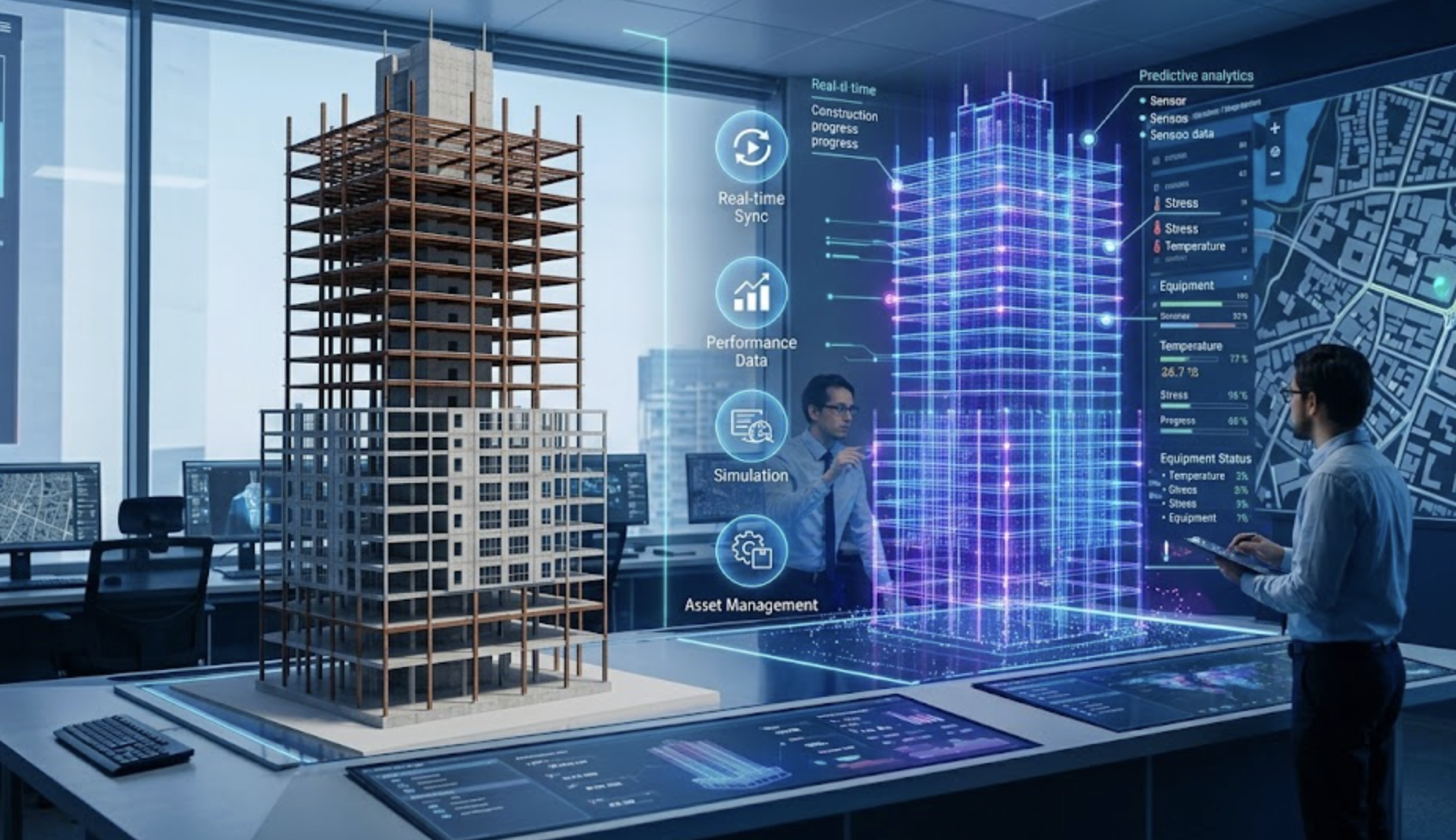
This ecosystem fuels sustainable construction management, too. Project teams leverage real-time data for better resource allocation, waste reduction, and compliance with environmental targets. The integration of digital twins, AI, and smart construction tools puts project intelligence at everyone’s fingertips, not just in the hands of a few specialists.
Looking ahead, innovations like BIM integration, digital twins, and construction tech automation promise a new era of construction industry digital transformation. AI-powered automation will soon not only relieve admin fatigue but also elevate construction quality, sustainability, and resilience. The future of real-time construction project data is here — empowering your teams to build better, safer, and faster, without the admin bottlenecks.